9/11 Toxic Dust Linked to Long-Term Illnesses: New CDC Study and NYC's $34M Data Portal Unveiled
September 13, 2026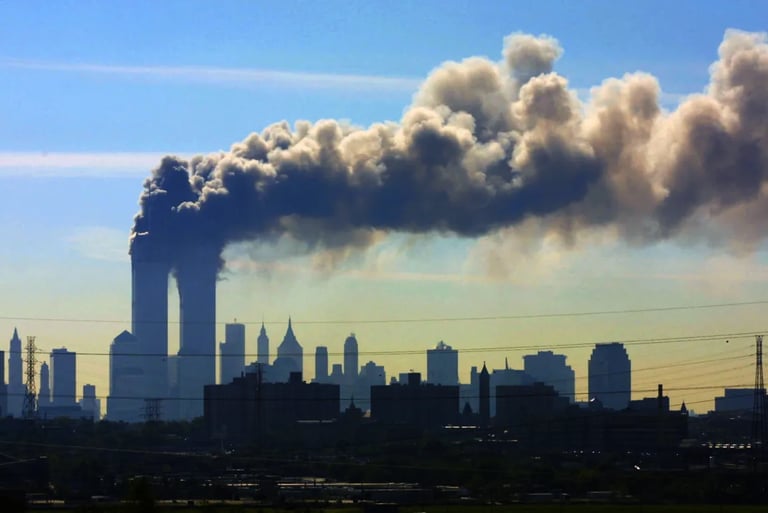


A JAMA-backed CDC review released on September 10, 2026 links long-term illnesses among 9/11 responders and survivors to environmental toxins from the Ground Zero dust cloud, including cancer, respiratory disease, GERD, and mental health issues that can surface years after exposure.
New York City launched an online portal now housing roughly 170,000 pages of Ground Zero air quality and health outcomes records, supported by a proposed $34 million 2027 budget to maintain it, aiming to improve transparency after earlier communication gaps.
Experts call for ongoing medical surveillance and durable care systems after large-scale disasters to detect emerging health issues and improve response for affected populations.
Scholars note asbestos is carcinogenic and lead exposure has wide health impacts; particle matter and VOCs tie to respiratory and cardiovascular problems and possible cancers, with the dust’s high alkalinity enabling deeper tissue penetration.
As of June 2026, more than 154,000 responders and survivors were enrolled in the World Trade Center Health Program, with enrollment rising by a median of over 6,500 annually since 2012; those with direct exposure show higher rates of chronic conditions, lower health-related quality of life, greater disability, and higher healthcare use and costs.
The portal includes air quality records, contamination data, the Harding Memo on potential liability for toxic exposure, environmental testing results, cleanup actions, and settlement documents from 9/11-related lawsuits.
The toxic dust cloud contained asbestos, lead, pulverized cement, glass fibers, benzene, and other harmful substances; the collapse and burning jet fuel created thousands of tons of particulate matter and VOCs, with some residues remaining at Ground Zero for months.
The study cited is Azofeifa et al. (2026) Twenty-Five Years After 9/11—Lessons From the World Trade Center Health Program, published in JAMA.
Summary based on 1 source
Get a daily email with more US News stories
Source
Newsweek • Sep 13, 2026
Thousands Breathed Toxic Dust on 9/11—The Health Effects Are Still Emerging