Black Political Power Challenged: Supreme Court Ruling Spurs Redistricting, Threatens Representation Gains
September 7, 2026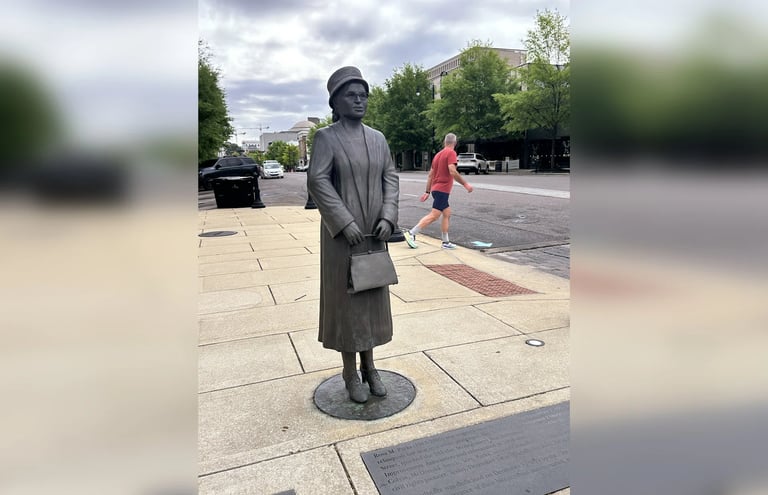

The piece examines how Black political power historically grew through Black-majority districts created by redistricting and how recent map changes threaten that progress.
A Supreme Court ruling in early 2026 is cited as a catalyst that challenges race-based districting and accelerates redistricting across several states.
The article traces how America’s racial history, including sundown towns and segregation, continues to influence political dynamics and voter access today.
Overall, redistricting and election rules, together with shifting demographics, are redefining who can win, with race and geography continuing to shape political power in the U.S.
Despite declines in some districts, Black political ambition is rising at the state level, with eight Black candidates (four from each major party) running for governor in 2026, signaling potential firsts in states like Florida and Georgia.
The piece highlights ongoing tensions between protecting voting rights and partisan map-drawing, raising questions about who can vote, who belongs, and how electoral power is distributed.
It provides concrete examples from Louisiana, Alabama, Tennessee, North Carolina, Florida, and Texas where Black representation or influence has been diminished or redirected into more white- or Republican-leaning districts.
The narrative connects Civil Rights milestones in Selma and Montgomery to current debates over election integrity measures and voter registration, underscoring distrust of policies perceived as racially biased among Black communities.
Summary based on 1 source
Get a daily email with more US News stories
Source
The Business Times • Sep 6, 2026
America’s political maps are shifting. So is who can win