Study Reveals 85% of 'Eco' Products Contain Undeclared Toxic Chemicals, Sparking Regulatory Calls
August 23, 2026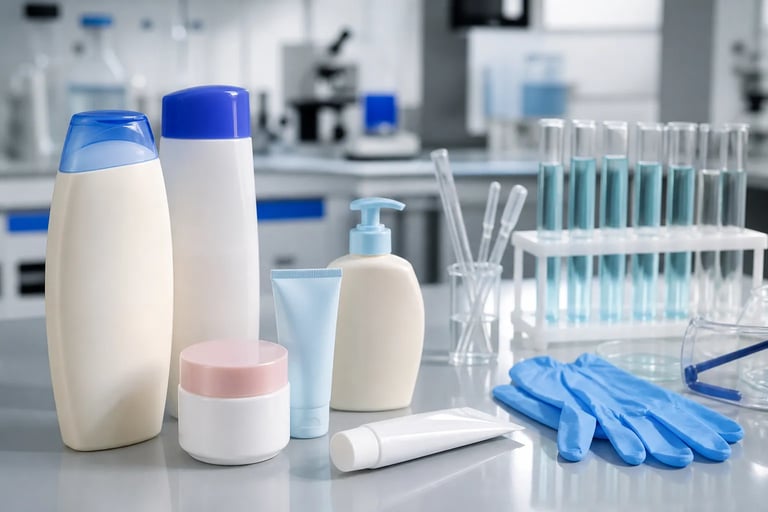


A sweeping analysis found mislabeling and undeclared chemicals across products marketed as eco/green/natural, with hazardous compounds detected in at least a quarter of items and even phthalates in products labeled phthalate-free or natural.
Labeling inconsistencies extend to origins and claims, including allergens listed as hypoallergenic and contaminants arising from raw materials or packaging, raising questions about supply chains.
Among detected substances are hormone disruptors and carcinogens—phthalates, parabens, PFAS, and formaldehyde—present in products claiming eco, green, or natural branding.
The findings spurred attention from researchers and advocates, with calls for expanded testing and fundraising to widen investigations and for stronger regulatory action.
Experts highlighted regulatory gaps in the US, urging pre-market safety testing, greater transparency, and safer formulations over post-market harm evidence.
undeclared chemicals may arise from illegal additions, ingredient interactions, or migration from plastic packaging, underscoring calls for stricter regulation and mandatory product testing.
A peer-reviewed study of over 110–113 personal care items from major retailers found undeclared toxic chemicals in roughly 85% of products, spanning shampoos, soaps, moisturizers, baby products, toothpaste, and feminine hygiene items.
Non-targeted chemical analysis identified 303 chemicals, far exceeding labeled lists, with cross-checks against the EPA database suggesting the true number could be higher.
The presence of concerning substances is prompting calls for stricter oversight and mandatory testing, while small businesses face risks from contaminated inputs and potential lawsuits.
Practical guidance for consumers includes avoiding fragrance as an undisclosed toxicant, opting for less plastic packaging to reduce plasticizer exposure, and using resources like the EWG Skin Deep database to evaluate ingredients.
Fragrance/parfum emerged as the most prevalent source of undeclared toxicants, capable of concealing up to 1,200 hazardous chemicals and often lacking labeling specificity.
Lead researcher notes the findings were unexpected and emphasizes a need for stricter oversight and comprehensive testing standards for consumer products.
Summary based on 2 sources
Get a daily email with more US News stories
Sources
The Guardian • Aug 23, 2026
Personal care products are awash in unlabeled toxic chemicals, study finds
UA.NEWS • Aug 23, 2026
Study: 85% of tested personal care products showed signs of undeclared chemicals