Cyclospora Outbreak Surges: Sewage Treatment Fails to Remove Dangerous Oocysts, Sparking Nationwide Concern
August 16, 2026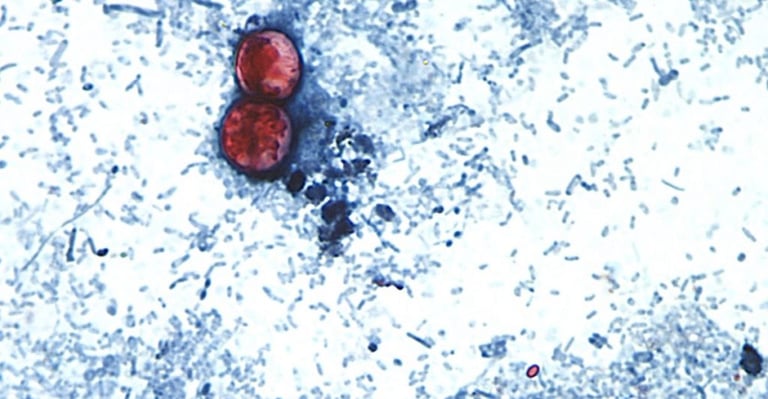


Sewage treatment often fails to fully remove or inactivate cyclospora oocysts, allowing some to survive and enter the environment where they can contaminate irrigation water and crops.
In many states, treated wastewater is used for irrigation, potentially exposing crops to cyclospora oocysts especially when groundwater or surface water is scarce.
Historically, the United States saw its first outbreak in 1995 linked to imported raspberries, followed by large outbreaks in the 1990s, with the current outbreak now the largest on record.
Experts recommend expanding wastewater monitoring for protozoa, improving treatment and disinfection—ultraviolet light proving more effective than chlorine for protozoa—and reconsidering water reuse practices to reduce risk.
There are notable gaps in knowledge about how well standard wastewater treatments reduce oocysts, underscoring the need for better monitoring, regulation, and management of protozoa in treated sewage to prevent future outbreaks.
Cyclospora spreads mainly via human waste and sewage contamination in the food and water supply, contributing to a nationwide outbreak that has sickened tens of thousands and caused deaths in Michigan.
Temperature and environmental conditions influence cyclospora oocyst maturation, implying climate factors could affect outbreak dynamics and spread.
The parasite replicates in the human intestine and releases oocysts in feces, which can enter sewage systems and spread through treated or untreated wastewater.
Wastewater surveillance is used to gauge disease levels and evaluate how well sewage treatment removes pathogens, though detecting low levels of cyclospora remains challenging.
Summary based on 1 source
Get a daily email with more US News stories
Source
PBS News • Aug 15, 2026
Cyclospora spreads through human waste — so how did it get on food?