From Toxic Town to State Park: The Transformation of Times Beach, Missouri
July 28, 2026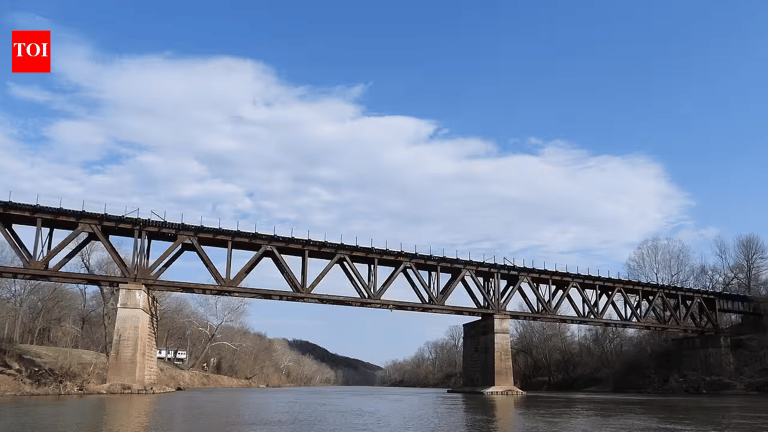

The town was gradually dismantled, with buildings demolished and contaminated areas remediated, and the land was later transformed into Route 66 State Park.
The disaster highlighted how human activity and natural events—dust-control oil combined with floods—can drive environmental hazards, underscoring the need for monitoring waste materials.
A federal buyout and relocation of more than 2,000 residents was funded by Superfund resources, marking one of the largest relocations in U.S. history.
Times Beach, Missouri, was found to have dioxin-contaminated oil sprayed on unpaved roads in the early 1970s to curb dust.
The Times Beach case helped shape the early development of the Superfund program and set precedents for hazardous-waste remediation nationwide.
Cleanup involved high-temperature incineration of 265,354 tons of contaminated material from 27 sites, including 37,234 tons from Times Beach.
Flooding in December 1982 spread contamination to roads, houses, and yards, leading health officials to advise residents not to return.
Today, Route 66 State Park preserves the history with interpretive displays, while the area largely lacks visible remnants of the original community.
Summary based on 1 source