73 Medical Schools Pledge to Prioritize Nutrition Education in Fight Against Chronic Diseases
June 8, 2026

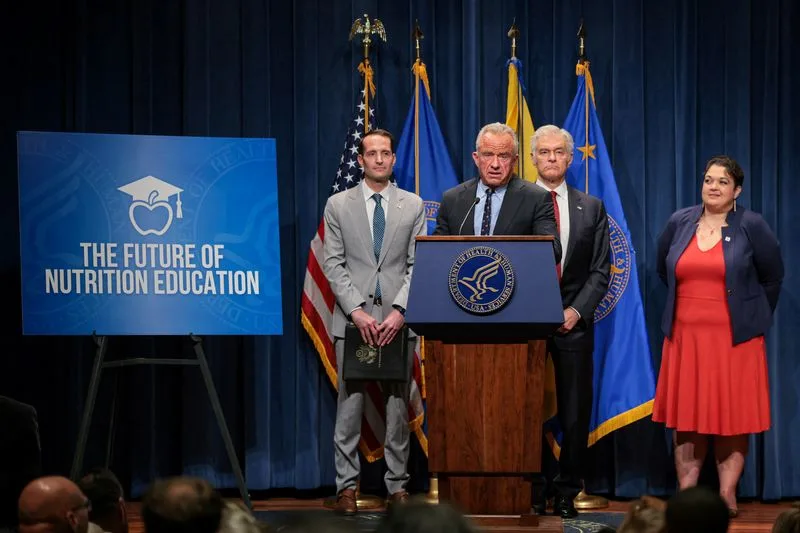
Nineteen medical schools have joined the Nutrition Education Pledge, committing to include at least 40 hours of nutrition education or an equivalent competency in graduation requirements beginning in fall 2026, expanding on prior commitments.
Eight medical accrediting, testing, and board organizations also pledged to strengthen nutrition training across medical education, testing, and residency programs.
Together with these additions, 73 medical schools are now pledged to integrate nutrition education as part of a broader effort to combat the nation's chronic disease burden and center food in medical training and patient care.
Under Secretary of Education highlighted a broader push to reform higher education to prioritize quality learning and better community health outcomes.
Kennedy stressed that poor diets drive chronic disease and that nutrition should be central to patient health and medical training.
Health officials argued nutrition belongs at the core of medical education and health outcomes, noting participation is voluntary to foster broad adoption without coercion.
HHS officials framed nutrition education as a catalyst for change and reiterated that no coercion was involved in securing pledges.
Some education experts worry about political influence on curricula and question the sufficiency of funding for sustained implementation, warning about institutional autonomy and long-term viability.
Critics caution about scale and sustainability of funding and potential political pressures on medical curricula, urging ongoing evaluation and adequate resources.
The initiative aligns with the Make American Healthy Again agenda, seeking to address chronic illness through diet and lifestyle changes, with support from Education Under Secretary Nicholas Kent and HHS Secretary Robert F. Kennedy Jr.
Kennedy argues that nutrition will become central to medical education, licensing, and patient care, while noting past controversial statements in unrelated areas are not the focus here.
The reforms aim to ensure future physicians address nutrition more effectively, potentially improving patient outcomes amid rising obesity and high chronic-disease spending.
Summary based on 6 sources
Get a daily email with more US News stories
Sources
Yahoo News (via Reuters) • Jun 8, 2026
US health department says 19 more medical schools pledge nutrition training requirements
Spectrum News • Jun 8, 2026
19 more medical schools join RFK nutrition ed program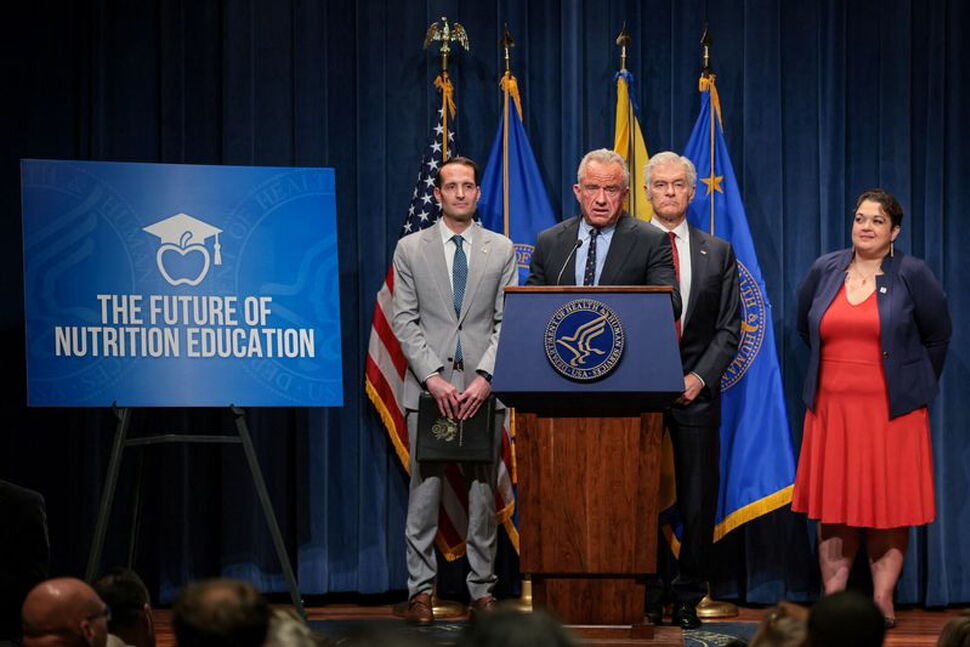
U.S. News & World Report • Jun 8, 2026
US Health Department Says 19 More Medical Schools Pledge Nutrition Training Requirements
US Department of Health and Human Services • Jun 8, 2026
Secretary Kennedy Announces Historic Development in Nutrition Accreditation Standards, New Medical School Pledges