Gas Price Surge Deepens Economic Divide: Wealthy Spend More, Poor Struggle Amid Rising Costs
May 6, 2026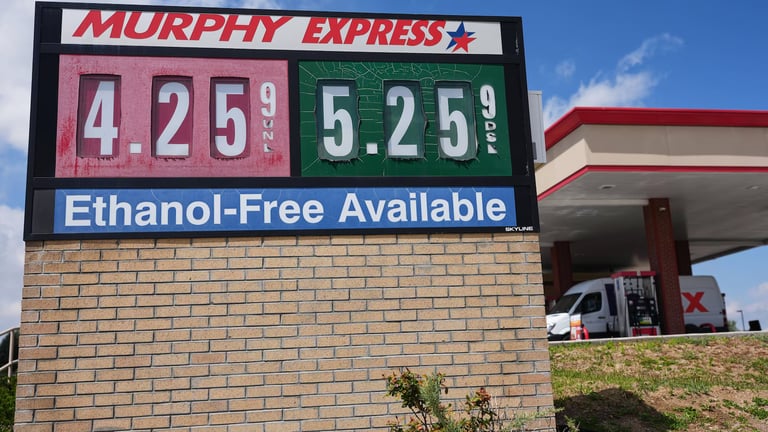

A K-shaped response to the March 2026 gas-price spike shows higher-income households boosting gas spending while trimming consumption only slightly, poorer households cutting consumption more but still spending more on gas, and middle-income households falling in between.
Poorer households earning under $40,000 annually cut gas consumption by about 7% in March but spent roughly 12% more on gas, while the wealthier group earning $125,000+ increased gas spending by about 19% even as overall gas consumption fell by around 1%.
Bank of America Institute data corroborate that the poorest third of households devote a larger share of income to gas (about 10%) compared with roughly 2.7% for higher-income households, with higher prices pulling discretionary spending away from non-gas categories for poorer households.
Amid solid unemployment and GDP signals, consumer sentiment remains pessimistic due to growing inequality and uneven gas-price impacts.
Gas prices jumped roughly 25% by late March after the Iran war began in late February, and total gas consumption fell about 3% that month, with prices up about 50% since the conflict began.
Total spending at gas stations rose an estimated 15% in March from February, potentially diverting funds from other categories, even as inflation-adjusted consumer spending edged up 0.2% for the month.
Analysts warn the shock intensifies economic inequality, reinforcing a K-shaped dynamic that could dampen overall consumer spending and broader economic growth.
Summary based on 1 source