Alaska Glacier Collapse Spurs 1,578-Foot Tsunami, Alters Cruise Routes Amid Rising Climate Risks
May 6, 2026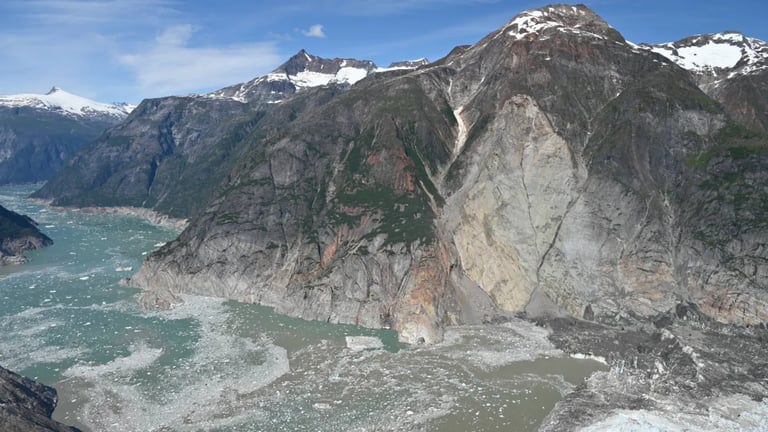


Researchers warn that warming temperatures could raise both the frequency and scale of similar events in fjords and other steep coastal landscapes, signaling an underappreciated hazard.
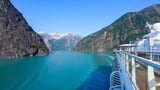
Despite the absence of fatalities, the area is a busy cruise corridor with multiple vessels in the vicinity during and after the event.
Scientists urge coastal municipalities, the cruise industry, and stakeholders to take these threats seriously and improve monitoring and warning systems.
Eyewitnesses reported diverse effects, from water flow at a campsite to a six‑foot wave along the beach, while some vessels did not observe a wave near the fjord mouth.
Co‑author notes that tourism in fjords is expanding, which heightens hazard exposure and underscores the need for risk reduction, better hazard identification, and investment in early warning capabilities.
Seismic instruments tracked ground vibrations from fjord-wide water movement for about 36 hours, shorter than Greenland’s 2023 megatsunami but still persistent.
NASA SWOT satellite data, combined with seismic readings and modeling, provided direct observations of the sea-surface structure of the event for the first time.
The incident is already influencing industry planning, with several Alaska cruise lines altering itineraries for 2026 due to ongoing Tracy Arm hazards.
Overall, at least six Alaska cruise itineraries have been adjusted to avoid Tracy Arm in light of ongoing risk.
Aftermath shows debris, stripped vegetation, and altered glacier appearance along Tracy Arm, with operators and visitors avoiding the area for the upcoming season.
Climate-change–driven glacier retreat in Tracy Arm, Alaska, triggered a massive rockslide that generated a 1,578‑foot (481‑meter) tsunami in August 2025, a near-miss for passing cruise ships.
The tsunami reached roughly 481 meters in height, ranking it as the world’s second-tallest recorded tsunami after Lituya Bay in 1958.
Summary based on 7 sources
Get a daily email with more US News stories
Sources
Gizmodo • May 6, 2026
Alaska’s Famous Fjords Are Becoming a Cruise Ship Nightmare
The Guardian • May 6, 2026
Alaska’s 2025 mega tsunami highlights risk to cruise lines as glaciers retreat
BBC News • May 6, 2026
Massive Alaska megatsunami was second largest ever recorded
New Scientist • May 6, 2026
Huge landslide in Alaska caused 481m-high tsunami