California DMV to Enforce Traffic Violations on Autonomous Vehicles; New Regulations Target Waymo, Tesla
April 30, 2026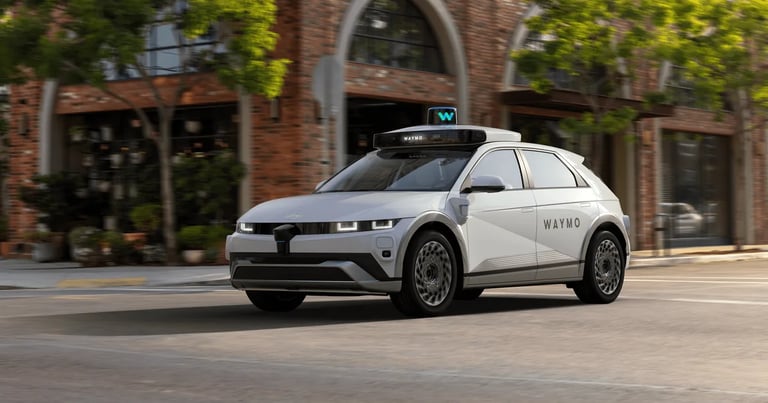


California’s DMV has unveiled new autonomous vehicle regulations that will allow law enforcement to issue moving violations to AV manufacturers, including Waymo and Tesla, with enforcement kicking in from July 1.
A formal process requires issuing a 'Notice of AV Noncompliance' to the vehicle manufacturer when an autonomous car commits a traffic violation, tying penalties to operating permits and potential consequences for noncompliance.
The rules specifically authorize the DMV to issue notices of noncompliance under AB1777-related provisions approved on April 28, detailing how enforcement will proceed when AVs violate traffic laws.
Emergency responders have raised concerns that robotaxis can hinder emergency operations, with reports of blocking fire stations and interfering with critical responses.
Waymo contends it has a strong safety record with lower crash rates per mile and reports roughly half a million paid rides weekly across 10 U.S. cities, while Uber operates far more rides globally.
Past incidents involving Waymo and ongoing investigations into school-bus violations contextualize the push for tighter enforcement, though Waymo and Tesla have not immediately commented.
Additional provisions authorize emergency geofencing, establish licensing and training standards for remote operators, improve safety data reporting, and allow targeted DMV restrictions based on safety needs.
The California Gig Workers Union has raised safety concerns about robotaxis and accountability for manufacturers, seeing potential relief in geofencing rules that restrict operations in certain areas or situations.
A 2025 San Bruno incident involving a Waymo and recurring robotaxi traffic issues on emergency routes in San Francisco helped spur the regulatory push.
Rules expand testing and deployment to heavy-duty autonomous trucks, specifying licensing, permitting, and training for remote drivers and assistants.
The regulations acknowledge that AVs vary by company, with different technologies and human monitors still common in some deployments, underscoring why clearer enforcement matters.
Industry analyst notes clarify that the responsible party for violations is the software/hardware developer tied to the vehicle, removing ambiguity about who gets tickets when no human driver is present.
Summary based on 6 sources
Get a daily email with more US News stories
Sources
Gizmodo • Apr 30, 2026
California Cops Can Finally Give Robotaxis Tickets
The New York Times • May 1, 2026
California Police Can Start Ticketing Driverless Cars
Los Angeles Times • May 1, 2026
California will ticket robotaxis that violate traffic laws. Here's how - Los Angeles Times