TSA Staffing Crisis Escalates Amid Prolonged Government Shutdown, Chaos at Major Airports
March 31, 2026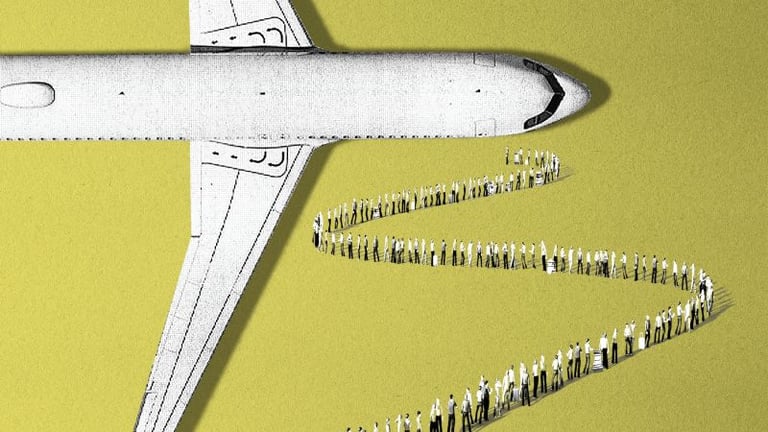

DHS initially paused certain TSA operations, such as escorts for lawmakers, but acknowledged that non-DHS entities sometimes provided escorts at airports as staffing strains grew.
TSA workers faced a prolonged lapse without pay, leading to pay shortages, resignations, high absence rates, and some employees missing full paychecks as the shutdown stretched into six weeks.
Airports across the country experienced hours-long security lines and disruptions, with travelers urged to arrive four to five hours early at major hubs like Houston Hobby, Atlanta Hartsfield-Jackson, and New Orleans Louis Armstrong.
A partial government shutdown since mid-February disrupted funding to the Department of Homeland Security, triggering cascading effects on airports and traveler wait times during a busy spring travel season.
There were high-profile political moves, including the firing of DHS Secretary Kristi Noem and a rare Senate-unanimous vote to fund most of DHS (excluding ICE), followed by House rejection of that plan, fueling ongoing uncertainty.
The Global Entry program was halted and then reactivated; TSA PreCheck suspension was reversed shortly after the shutdown began.
A White House memo directed DHS to pay TSA agents despite the partial shutdown, and many agents received part of their overdue pay as the situation evolved.
ICE agents were deployed to assist at airports amid shortages, with discussions about routing ICE personnel to airports to alleviate security line bottlenecks.
Resignations among TSA workers surpassed 300 within a month, with totals exceeding 400 as staffing pressures grew and pay issues persisted.
Summary based on 1 source