Unveiling the 'Working Homeless': Atlanta's Hidden Crisis and the Call for Housing Reform
March 22, 2026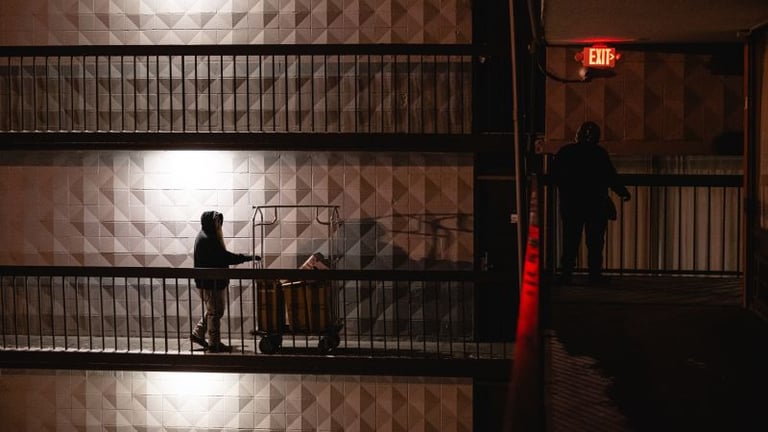

The core finding is that most homeless individuals live in a 'shadow realm'—holding low-wage jobs but lacking stable housing due to affordability gaps, weak safety nets, and a shortage of available housing.
The reporting centers on dignity, resilience, and systemic barriers, with attention to race and neighborhood dynamics in Atlanta as part of the broader story.
The crisis deepened with housing policy shifts in the 1980s and subsequent cuts to welfare and labor protections, treating housing as a market commodity rather than a public good.
A two-pronged policy answer is proposed: build and preserve permanently affordable housing, strengthen tenant protections (including right to counsel in eviction court, just-cause eviction laws, and bans on predatory fees), and deliver direct help to families.
The article frames the issue as requiring political will and public investment to prevent ongoing homelessness, noting how close many families remain to losing stability.
Five working-class Atlanta families are profiled, illustrating Celeste and her children's struggle with multiple jobs, health crises, eviction pressure, and housing instability despite efforts.
Even after securing apartments, these families remain vulnerable to medical emergencies, rent increases, or job loss, signaling fragile stability.
The term 'working homeless' challenges the myth of the American dream and calls for a policy paradigm shift that treats housing as a fundamental human right.
The piece reframes homelessness as a systemic issue rather than street-level stereotypes, drawing on Brian Goldstone's work and interviews conducted in Atlanta.
Homelessness is a spectrum of insecurity, including people in cars, budget motels, or overcrowded housing, with estimates surpassing four million when hidden populations are counted.
Summary based on 1 source
Get a daily email with more US News stories
Source

CNN • Mar 22, 2026
Inside the ‘shadow realm’ of the affordability crisis