Nebraska's Historic Wildfires: 800,000 Acres Burned, Emergency Responses Ongoing Amid Hopes for Recovery
March 17, 2026

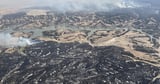
The Morrill Fire in Nebraska has grown to the largest blaze on record in the state, burning roughly 572,084 acres with about 18% containment as of Tuesday evening, and it is linked to the death of 86-year-old Rose White.
Officials express cautious optimism that recovery will come with time and rain but emphasize that full repair will take longer.
Rapid support followed swiftly from first responders, neighboring ranchers, and donors who asked how to help.
Forecasts from the National Interagency Fire Center and Weather Service warn of continued wildfire risk, with historically high temperatures and heat spreading into the Great Plains.
Fires have persisted through last week under low humidity and strong winds, with ongoing containment efforts and a plan to hand control back to locals.
Neighbors remember Rose White as a community contributor, especially around Halloween, sharing cookies, photos, and family traditions.
A windmill surrounded by sand formed a protective barrier that helped spare Wilson’s home and livestock, though the overall fire speed and scale were unprecedented for him and his family.
Dusty Wilson and his elderly father evacuated, but stayed to move cattle; their exit was blocked when the fire jumped the road, forcing them to retreat to a safe meadow near the windmill.
The report underscores the importance of science journalism and supporting Scientific American to maintain coverage of science and its societal impacts.
Hundreds were evacuated, with some residents allowed to return; resources include Nebraska and Iowa National Guards, federal responders, FEMA, and more than 700 firefighters.
Governor Pillen declared a state of emergency for fire-affected counties and issued an executive order to streamline supplies like livestock feed to support grazing lands and response efforts.
Drought-driven conditions, reduced snowfall, and climate change are driving hotter, drier Western fire seasons and contributing to ongoing wildfires.
Summary based on 3 sources
Get a daily email with more US News stories
Sources
NBC News • Mar 18, 2026
At least 1 dead as Nebraska wildfires scorch nearly 800,000 acres
KNOP • Mar 17, 2026
Rancher recalls narrow escape, mourns neighbor lost in Morrill County fire