NYC Faces $5.4 Billion Budget Gap: Mayor Considers Taxing Wealthy, Businesses to Avoid Property Tax Hike
February 18, 2026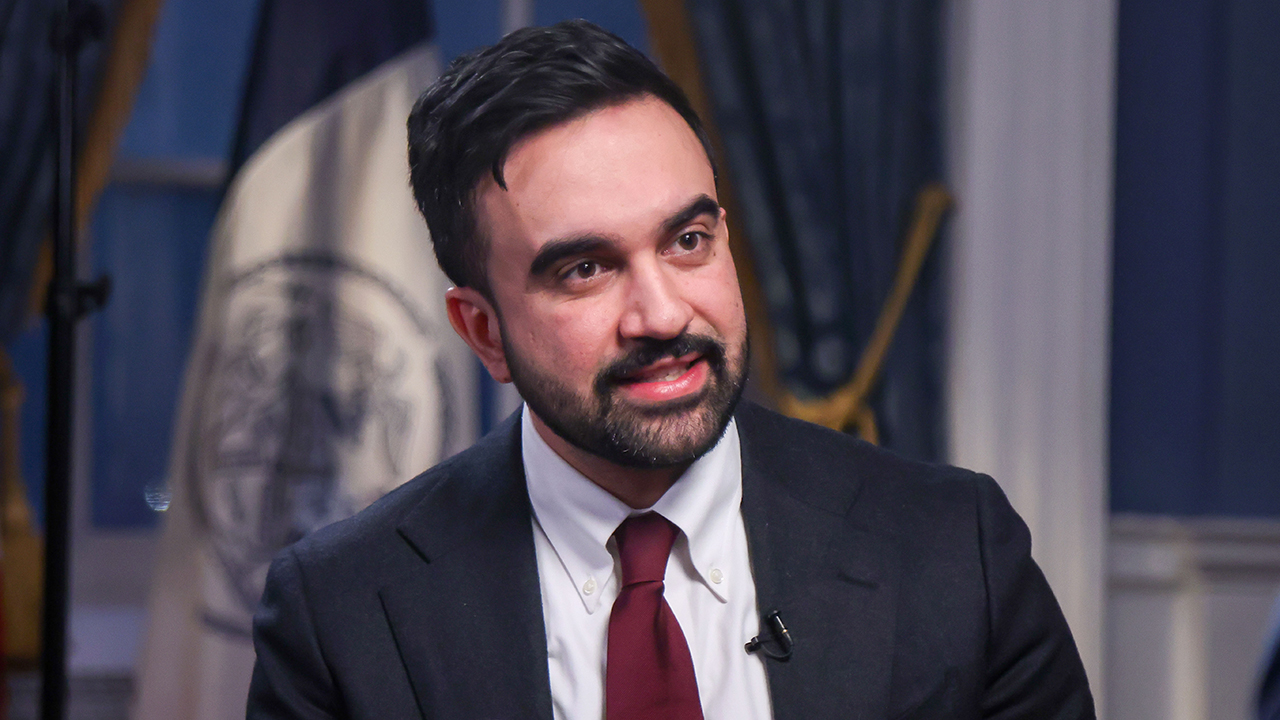

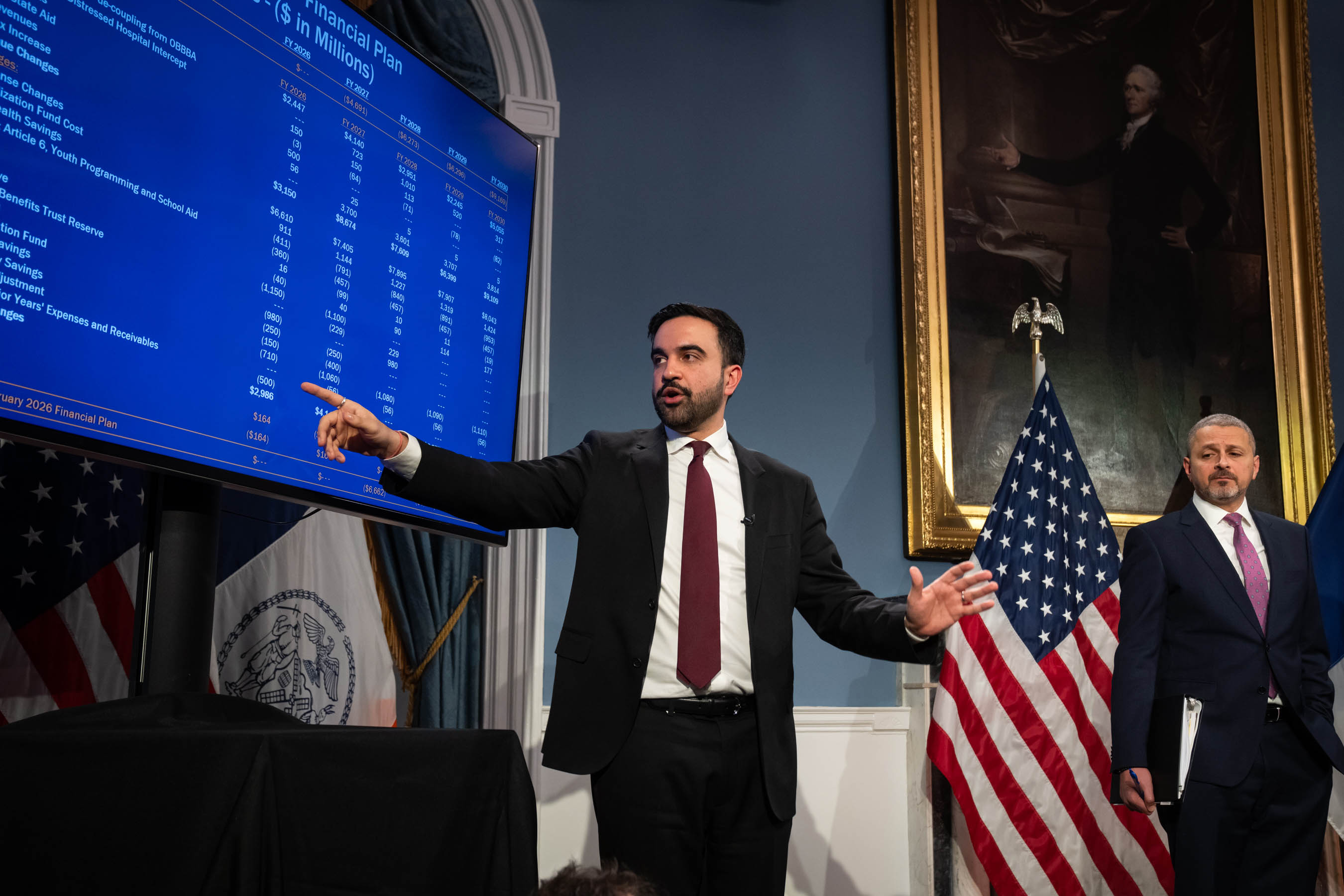
The city faces a $5.4 billion two-year gap in the Fiscal Year 2027 budget, prompting the mayor to unveil a preliminary plan that may rely on taxing the rich and businesses if state approval is not secured.
As a last resort, the mayor signals a property tax increase for NYC homeowners and neighborhood businesses if Albany does not authorize higher taxes on the ultra-wealthy and profitable corporations to close the gap.
The budget includes about $14 billion in city-funded agency changes over two years, with targeted investments in snow removal, warming centers, homeless shelter connections, mobile health units, and hires intended to reduce tort liability and advance affordability, including $54 million for HRA’s Community Food Connection in FY 2027.
The City Council plans its own reviews and projections of the administration’s financial plan to protect essential services and address affordability without raising taxes on homeowners or small businesses.
The mayor’s stance aligns with a broader Democratic socialist agenda focused on rent and urban affordability, noting that tapping reserves would be necessary if new revenue is not found.
Opposition figures, such as a Republican City Councilor, argue that across-the-board property tax hikes would worsen affordability and drive residents away.
The plan projects a $7.3 billion increase in tax revenue availability and anticipates additional state support, including $1.5 billion from the Governor and $97 million in Foundation Aid.
City Comptroller warns that an across-the-board property tax increase is regressive and that using reserves in a growth year could expose the city to economic volatility next year.
Without new revenue authority, the city would lean on a 9.5% property tax rate increase (roughly $3.7 billion in FY 2027) plus reserves from the Rainy Day Fund and Retiree Health Benefit Trust to balance legally.
To close the gap, the administration has implemented savings via Executive Order 12, creating Chief Savings Officers in agencies to identify recurring efficiencies, projected to save $1.77 billion over two years.
Governor Hochul has committed about $1.5 billion in state funding to help balance the budget but remains opposed to tax increases in an election year.
Two balancing paths are outlined: raise recurring revenue from high earners and profitable firms, or rely on property taxes and reserves, the latter burdening working and middle-class New Yorkers.
Summary based on 3 sources
Get a daily email with more US News stories
Sources
The official website of the City of New York • Feb 17, 2026
Mayor Mamdani Releases Balanced Fiscal Year 2027 Preliminary Budget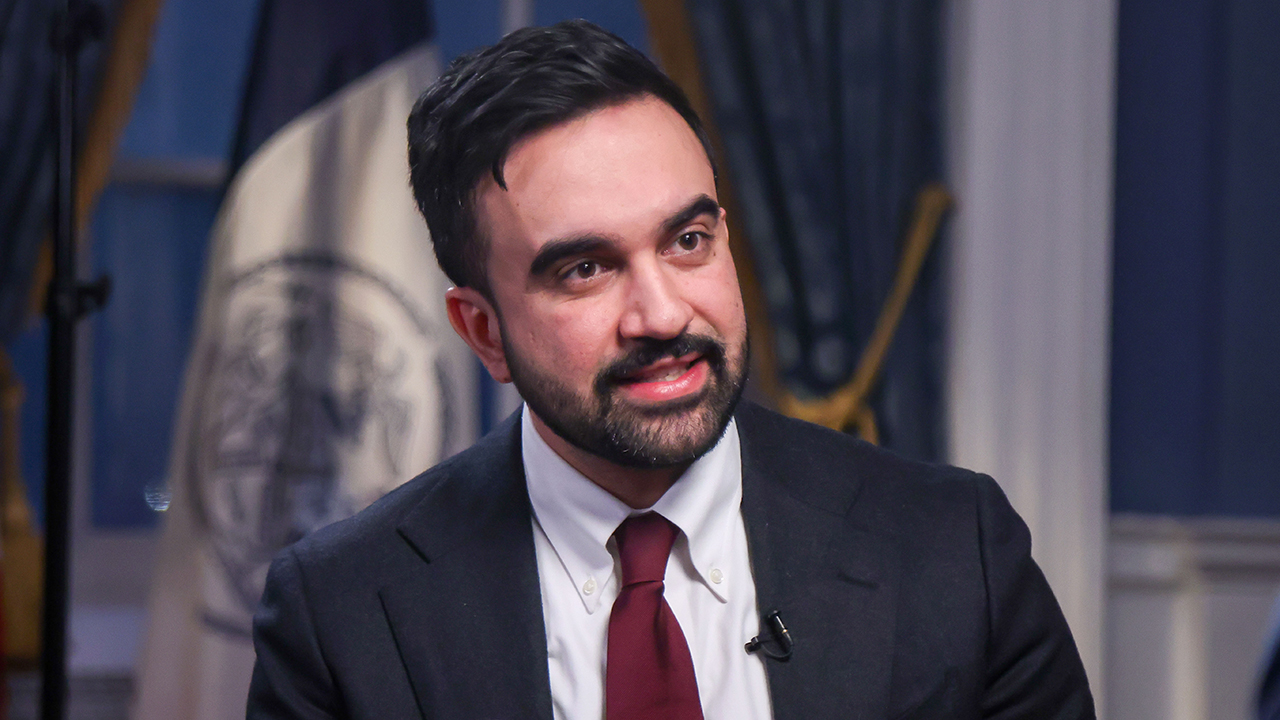
Fox Business • Feb 18, 2026
Mamdani proposes raising NYC property taxes if state doesn't approve tax hike on wealthy
AOL • Feb 17, 2026
Mamdani weighs NYC property tax hike to plug budget gaps