New York City Secures $1.5B State Partnership Amid Budget Crisis, Sparks Debate Over Tax Strategies
February 17, 2026

Governor Hochul and Mayor Mamdani announced a two‑year, $1.5 billion infusion from the state to New York City aimed at stabilizing the city’s finances and bolstering core services for working families, framing it as a state‑city partnership.
The plan is pitched as a cooperative effort between Albany and City Hall to address a substantial budget gap and support residents, with officials saying it demonstrates bipartisan collaboration.
Critics warn that there are no formal spending controls attached to the funding, raising concerns about possible future tax increases if deficits persist.
Mamdani’s fiscal plan includes taxing the wealthy as a means to close the gap, a strategy Hochul has opposed, highlighting divergent approaches to balancing the books.
The story sits within the broader political context, including Mamdani’s mayoral bid and ongoing debates over the city’s budget and services.
Republican critics argue the package amounts to a bailout and would reward mismanagement, accusing it of diverting funds from upstate and suburban taxpayers.
Mamdani is preparing to deliver his first budget address amid an estimated $7 billion gap, revised downward from an initial $12 billion projection.
Analysts advocate for cost‑cutting and spending controls as alternatives to large tax increases, emphasizing alignment of spending with known costs such as overtime and shelter expenses.
Mamdani framed the funding as a move toward cooperative leadership and stressed that working New Yorkers should not bear the burden of the crisis.
City budget projections show a current-year gap around $2.2 billion and a looming $10.4 billion gap for 2027, with both leaders pointing to past administrations for accountability.
The broader fiscal pressures include Medicaid costs, pension obligations, and prior budget crises, with the city’s finances influenced by statewide dynamics and previous bailouts.
Tensions between Albany and City Hall persist, reflecting contrasting views on budget crises and policy responses.
Summary based on 5 sources
Get a daily email with more US News stories
Sources

CBS News • Feb 16, 2026
State giving $1.5 billion to NYC to help fix massive budget gap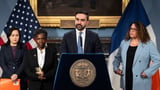
ABC7 New York • Feb 16, 2026
New York City to receive additional $1.5 billion in state funds to help with budget crisis
Hoodline • Feb 17, 2026
Gov. Hochul and Mayor Mamdani Unveil $1.5 Billion Plan to Bolster New York City's Budget
Post Journal • Feb 17, 2026
$1.5B to New York City brings GOP outcry