Starlink Throttling Sparks Debate Over Private Influence in Ukraine's Military Communications
October 24, 2026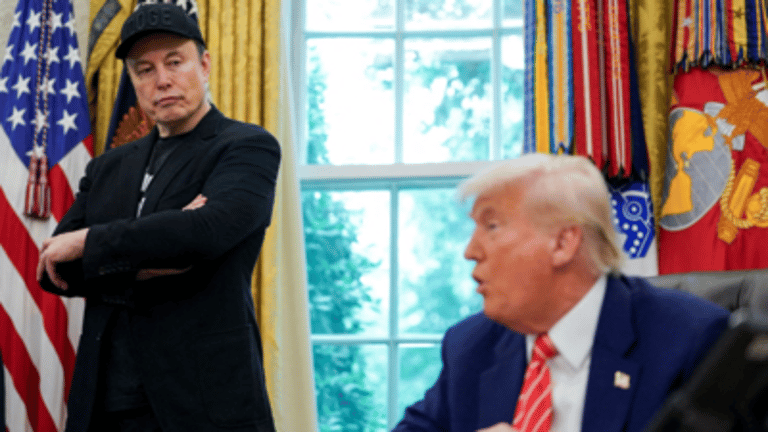

The ongoing throttling and access limits to Starshield, SpaceX’s military-oriented system built on Starlink, have raised questions about private influence on Ukraine’s military communications and drone operations as Ukrainian drones reportedly faced slower Starlink speeds.
Elon Musk has said Starshield is owned and controlled by the U.S. government, with limits set by the U.S. military and the president.
The White House has denied deliberately limiting Starlink in Ukraine, while Trump suggested he could address any problems with Musk if needed.
Analysts caution about the broader implications of private companies supplying essential services in war zones and how this shapes the evolving government–tech firm relationship in international conflicts.
Democratic lawmakers, including Rep. Jason Crow, are calling for clarity on who in national security decisions relies on private companies and billionaires.
The discussion highlights the strategic risks of depending on privately owned satellite infrastructure for national security and the potential consequences for governments, armed forces, and civilians.
There is media divergence over how to frame the situation—recovery, restoration, or return to normal speeds—and the ministry’s wording leaves the scope and duration open to interpretation.
Legislators are pressing for a broad government-wide inquiry into who ordered throttling, whether federal contracts were violated, and safeguards against political interference or misuse of federal resources.
Officials have discussed expanding internet access for allies and protesters while limiting it for opponents, with White House and Pentagon involvement and reliance on intelligence assessments to identify at-risk terminals.
The episode feeds into a broader debate about how space and tech companies may influence policy in international crises, and what this could mean if political leadership shifts in the future.
Public monitoring by the ministry is highlighted as a measurement source rather than SpaceX telemetry, underscoring questions about hardware versus policy-based speed ceilings and potential needs for written mobility terms in contracts.
Lawmakers remain concerned about private-sector influence on national security, urging transparency on who authorizes Starlink usage in conflict zones.
Summary based on 18 sources
Get a daily email with more Tech stories
Sources
BBC News • Oct 23, 2026
Ukraine says Starlink still restricted after Trump says limits lifted


The Straits Times • Oct 24, 2026
US has for years asked Musk to alter Starlink service in Ukraine, Middle East: Sources