Rooftop Solar Surge: Global Expansion Challenges Grids, Sparks Equitable Energy Transition
September 14, 2026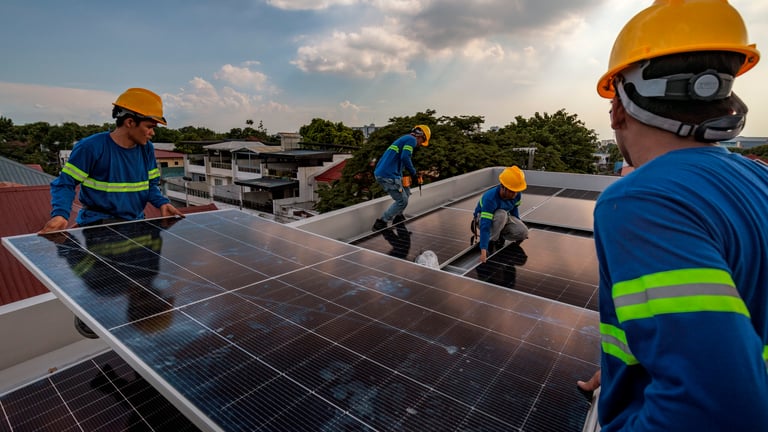

Rooftop solar is rapidly expanding, making cleaner electricity and potential cost savings more accessible worldwide, but it requires careful planning to keep grids stable and ensure fair access across income groups.
Adoption is growing in multiple regions: Bestway Cement in Chakwal, Pakistan plans to add 6.34 MW this year and already has 26 MW with solar supplying over a quarter of its plant’s electricity; rooftop solar capacity in the Philippines nearly doubled in the year to April; Shoprite in Africa operates about 43 MW of peak rooftop capacity.
Storage and AI are smoothing supply and demand, with household batteries and machine-learning grid management in the UK and Australia forecasting solar capacity and optimizing integration.
Grid risk remains: solar variability can destabilize grids during cloudy periods or high penetration, underscoring the need for better forecasting, storage, and management of distributed generation; some installations may be unregistered, complicating grid oversight.
Economic and policy dynamics include cost reductions from Chinese production—about 12 cents per watt—that have democratized access and spurred subsidies and programs in countries like India, alongside growing plug-and-play rooftop installations in the UK and parts of the US.
Regional outlook shows Africa expected to install about 17 GW of new solar this year, mostly through small-scale commercial setups; Pakistan plans large solar/wind projects plus battery storage to cut fossil-fuel use; Eskom in South Africa is restructuring tariffs and waiving some registration fees to encourage uptake.
Solar power, powered by inexpensive Chinese PV panels, is accelerating rooftop adoption globally and reshaping how households and businesses generate and consume electricity.
The rise of distributed solar challenges traditional grids and pricing, calling for grid re-engineering, better visibility, and equitable tariff reforms to avoid a utility death spiral and fairly allocate costs for non-solar customers.
By the end of 2025, rooftop solar capacity reached roughly 1.2 terawatts globally, three times the size of the international nuclear fleet, driving cleaner energy and lower bills in many regions.
Summary based on 1 source
Get a daily email with more Tech stories
Source
Ars Technica • Sep 14, 2026
"Offensively cheap": Solar power is looking up