AI Infrastructure Boom Faces Local Backlash and Policy Challenges Amid Unyielding Demand
September 1, 2026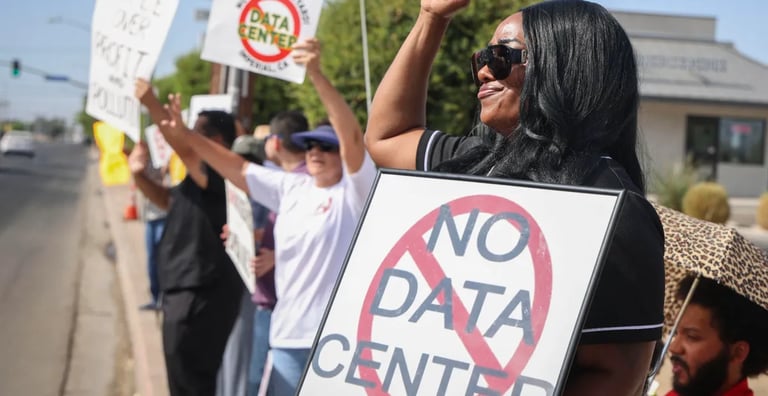

The overall takeaway is that the AI infrastructure expansion is unlikely to be halted unless demand collapses or a comprehensive national moratorium is enacted, though backlash can slow or geographically shift buildout.
West Virginia’s governor signals continued data center incentives, highlighting ongoing state-level competition to attract AI infrastructure funding.
Analyses show the buildout’s resilience stems from unprecedented demand for computing power and the locational flexibility of data centers, which lets hyperscalers win approvals by offering economic benefits to communities.
Policy developments have mixed effects: some states impose restrictions or moratoria, while others pursue growth by offering incentives or streamlined approvals.
Cancellations of contested projects are rising, with many jurisdictions restricting or banning data centers, but the pipeline remains strong as capacity additions outpace losses.
Public sentiment shows rising local opposition to data centers, with a minority supporting nearby facilities, signaling increasing backlash even amid rapid growth.
Data centers’ high location flexibility enables relocation to receptive jurisdictions, complicating efforts to halt national expansion without broad policy change.
Demand remains extraordinarily high, with near-total occupancy across North American data centers and most of the 66 GW under construction already spoken for.
The ethical debate pits environmentalists and anti-AI advocates against strategies that push development to permissive areas, potentially undermining climate goals, while some call for moratoria to slow progress and shape governance and wealth distribution from the boom.
Summary based on 1 source
Get a daily email with more Tech stories
Source

Vox • Sep 1, 2026
The data centers are winning