AI Dramas Dominate: Cost-Cutting Revolution Threatens Traditional Film Industry
August 29, 2026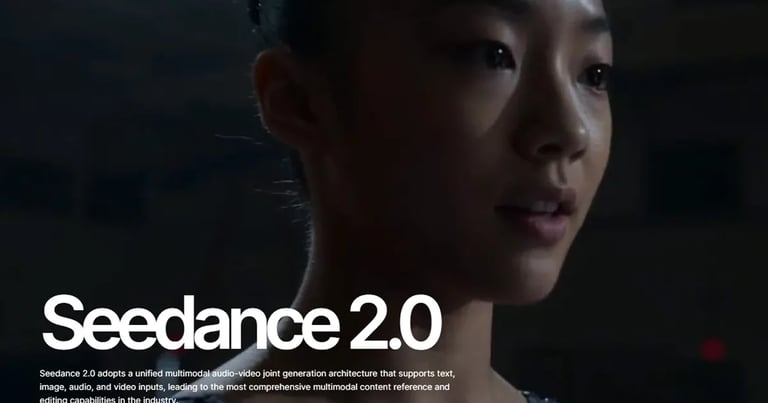

AI-generated dramas and digital performers are moving from experimentation to mainstream short-form entertainment, accelerating production and slashing costs.
Public-facing AI content is already being consumed in everyday spaces, while questions linger about authenticity and quality of material from AI, sparking both ubiquity and skepticism.
Industry examples include ByteDance’s Seedance 2.0 and Amazon MGM Studio’s AI-assisted pre- and post-production, even as industry voices like Steven Spielberg warn AI could supplant human creativity.
NHK coverage cited by the FT notes economic disruption for human workers—background actors and other film-industry roles—who face reduced demand and pay as AI takes on more work.
Performers are increasingly being replaced or repurposed, with likenesses, voices, and acting styles distilled into AI, prompting contract negotiations to safeguard rights and livelihoods.
The broader implications are clear: AI-driven content lowers costs and speeds production, potentially reshaping the economics of Chinese media and threatening traditional film-industry jobs.
Manghe (Wuhan) and Zeelin are highlighted as key players, reportedly producing AI dramas at roughly one third the cost and one fifth the production time of human-led projects with small AI-focused teams.
There is a shift from fictional AI personas to models that distill real actors for digital use, enabling AI-driven performances without ongoing human involvement.
This shift signals broader industry changes: potential actor displacement and a production model increasingly driven by software rather than traditional human-intensive workflows.
AI-generated acting and microdramas have become highly prevalent in China, with AI content dominating top Douyin animation rankings and AI-producing companies expanding rapidly in 2026.
Financial Times and DataEye data show 89 of the top 100 Douyin animations were AI-generated, and 95% of the 128,000 microdramas in Q1 2026 were AI-based, underscoring widespread adoption.
A growing share of top short dramas on Douyin and overall early-2026 output are AI-produced, with production volumes and speed accelerating dramatically.
Summary based on 2 sources
Get a daily email with more Tech stories
Sources


Digital Trends • Aug 29, 2026
AI is taking a bigger role in short dramas, and actors are paying the price