India Poised to Lead in Low-Cost Sustainable Aviation Fuel with PBtL Innovation by 2030s
July 19, 2026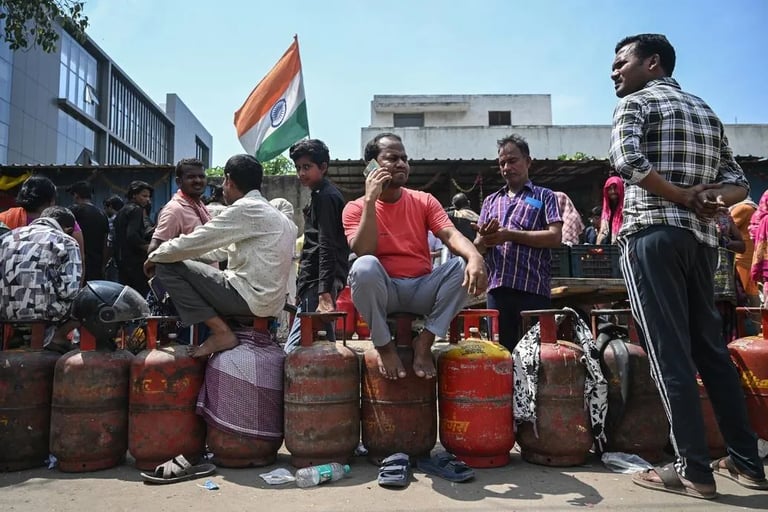

India can build a scalable PBtL SAF supply chain by leveraging its low solar costs, rapid progress in solar and battery storage, and abundant residue biomass, which also addresses air pollution and rural economic development.
With cheap green hydrogen trending toward sub-$3 per kilogram by 2030 and ample agricultural residue, India could become the world’s lowest-cost regulated SAF supplier and potentially outpace fossil jet fuel on cost by the 2030s.
PBtL SAF combines agricultural residue with green hydrogen to offer a viable, lower-cost alternative to conventional jet fuel.
PBtL SAF pathways avoid feedstock competition with food crops, provide long-term rupee-denominated contracts, and reduce exposure to global oil price swings, boosting energy resilience.
Currently burned agricultural residue worsens air pollution; repurposing it for PBtL SAF could cut pollution and create economic value for farmers.
India’s dependence on imported oil makes the country vulnerable to supply shocks, underscoring the need for energy security and reduced import dependence.
Pursuing pilots—first-of-a-kind projects—will be urgent to prove the concept and scale PBtL, requiring coordinated policy, investment, and regulatory support to de-risk early efforts.
Realizing PBtL SAF will demand government action and investor engagement, including viability-gap funding, regulated-market linkages, long-term demand mandates, and international eligibility through collaborations (for example with the EU).
A realistic timeline suggests PBtL SAF could achieve competitive costs in the 2030s and, with momentum, meet India’s full aviation demand domestically.
PBtL SAF pathways also aim to link long-term, rupee-denominated contracts with resilience against global oil price volatility.
Strategic focus on reducing import dependence and strengthening energy security is central to the PBtL SAF push.
By converting agricultural residue into SAF, India can address pollution and unlock rural economic opportunities while advancing decarbonization in aviation.
Summary based on 1 source
Get a daily email with more Tech stories
Source

Forbes • Jul 19, 2026
India’s Fuel Security Risk Is A Billion-Dollar Aviation Fuel Opportunity