Victoria's Energy Plan: Balancing Renewables, Data Centres, and Community Concerns
June 21, 2026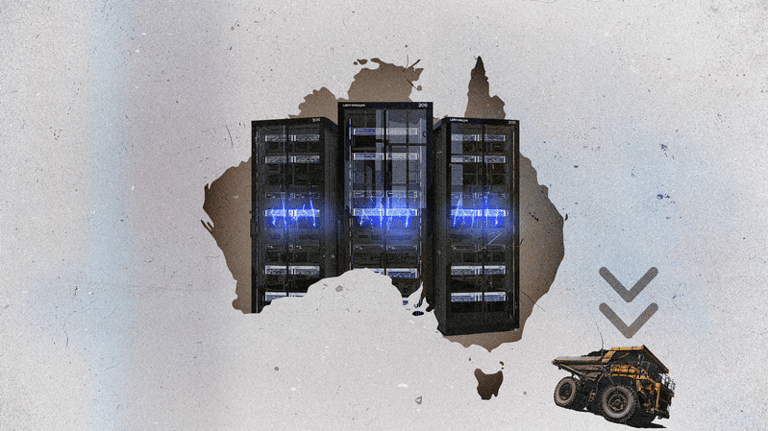

AEMO’s long-term pipeline shows 18 GW of Victorian connection requests—twice the current peak demand—with 1.5 GW of data centre capacity at the application stage and a further 0.7 GW either approved or under construction.
The plan envisions the remaining coal plants closing by 2035 and tackles potential delays in renewables deployment caused by social license issues, bottlenecks, and the rapid expansion of data centres.
The Allan government pushes for more generation near Melbourne to cut transmission needs, while prioritizing renewables and storage to keep the lights affordable and reliable.
Three core scenarios are tested: a baseline renewable transition with steady demand, a faster transition with more data centre growth, and a challenging path with delays and uncoordinated demand that could lift gas use to maintain reliability.
Community opposition to high-voltage lines becomes a political flashpoint, with debate over undergrounding versus overhead routes and potential pauses or repeals of accelerated land-access laws.
Five renewable energy zones across regional Victoria and Gippsland offshore wind have been declared to coordinate solar, wind, and battery projects, covering about 1.8 million hectares.
Victoria is updating its 25-year Transmission Plan to explicitly model the rising demand from data centres for the first time.
Energy Minister Lily D’Ambrosio’s office emphasizes collaboration with the Commonwealth to prevent data centres from destabilizing the grid and to minimize household cost increases, reaffirming commitment to renewables and affordable prices.
VicGrid will develop its own data centre demand forecast using AEMO data, connection inquiries, and other sources to inform infrastructure planning.
Summary based on 1 source
Get a daily email with more Tech stories
Source
The Age • Jun 21, 2026
Melbourne’s massive data centre boom forces planners to rewrite the script