Massachusetts Certifies First-Ever Rideshare Drivers Union, Paving Way for Gig Worker Rights
May 26, 2026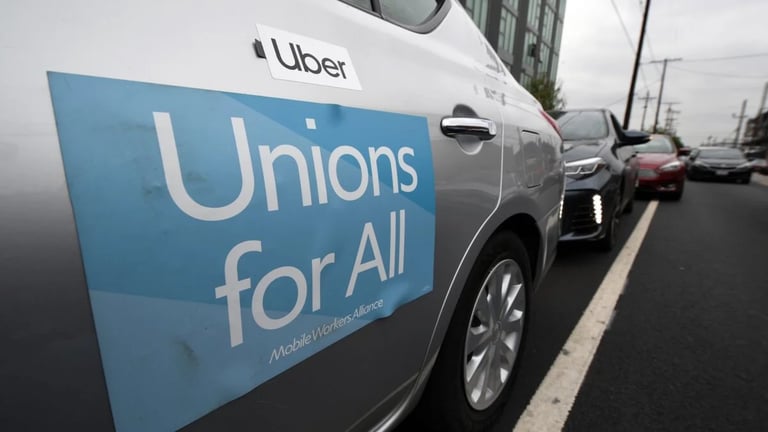

Massachusetts certifies the App Drivers Union as the exclusive bargaining representative for about 70,000 rideshare drivers, a first-of-its-kind unionization outcome in the United States.
The certification follows a 2024 Massachusetts ballot measure that created a framework for ride-hailing drivers to unionize and bargain while remaining independent contractors, potentially representing nearly 70,000 drivers statewide.
Massachusetts drivers become the first in the U.S. to certify a union, marking a milestone in gig-work organizing amid concerns over pay, expenses, and working conditions.
Industry context includes autonomous-vehicle pilots by Waymo and others in major cities, prompting driver concerns about safety, job security, and potential pay declines.
Lyft voiced support during the process, signaling willingness to engage in good faith as the new process advances.
Organizers say the union will give drivers a formal voice to influence industry conditions and keep financial benefits with workers rather than Silicon Valley stakeholders.
Dues will be collected through voluntary membership deductions after a contract is reached, creating a nontraditional dues model.
The union’s potential success could serve as a nationwide model for gig-work labor organizing while presenting strategic considerations for tech companies and policymakers.
Bargaining rules give six months to reach a contract with rideshare companies; if negotiations fail, arbitration may occur, and any contract requires active drivers’ majority approval.
Industry observers note that autonomous-vehicle expansion in California and elsewhere heightens the case for collective bargaining as drivers watch pay and stability.
The App Drivers Union is backed by major unions and overseen by the state Department of Labor Relations, not the NLRB.
Organizers describe the victory as the largest private-sector organizing win since 1941, with drivers hoping for better pay, protection against deactivations, and greater stability.
Summary based on 2 sources