AI-Powered Health Twins: Revolutionizing Patient-Centered Care and Disrupting Traditional Healthcare Models
April 21, 2026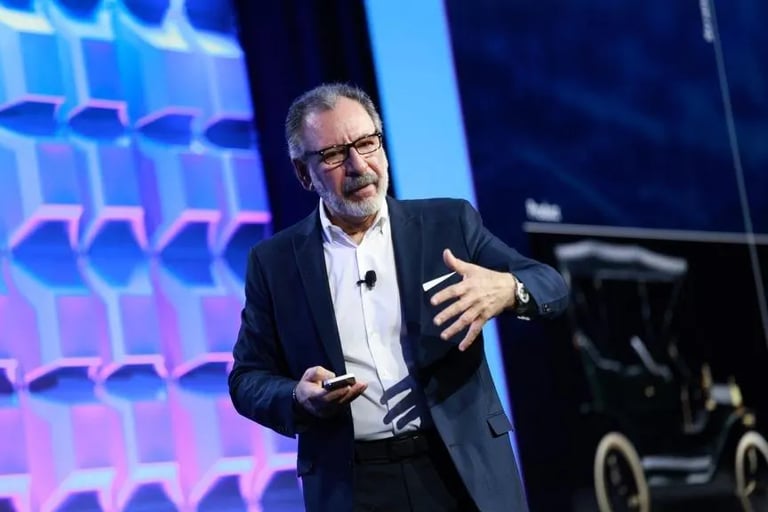

A major near-term disruption in health care is the rise of a digital advocate or personal AI-powered health twin that maintains a complete, longitudinal health record and coordinates care across providers, placing the patient at the center of the ecosystem.
Challenging cultural barriers—like resistance to changing long-standing systems—will be as important as technological advances, with legacy practices risking obsolescence if not adapted.
Trust among younger generations is shifting toward AI-driven initial consultations, with AI potentially becoming the first point of contact in many cases.
The disruption also reshapes economics: post-COVID hospital vitality is compromised and demand for traditional fee-for-service care may decline as diseases become more manageable and accidents decrease, threatening traditional revenue models.
Outside entities such as Amazon, Apple, Google, and Meta are increasingly involved in healthcare, with patients arriving at visits armed with data from wearables and AI analyses, signaling a shift in trusted sources of insights.
Leading futurist Thomas Koulopoulos argues healthcare is being fundamentally disrupted by technology, data, and shifting patient trust, with disruption occurring far faster than incumbents can respond.
The future will be defined by the convergence of technology, processes, and shifting expectations, with providers evolving from gatekeepers to orchestrators of a patient-centered care ecosystem.
Disruption centers on process over product, as entrenched, fragmented workflows and institutional inertia slow innovation, making rapid transformation likely.
Healthcare leaders should build internal capability to apply AI and ambient intelligence within clinical workflows while integrating external digital inputs—wearables and at-home diagnostics—into a holistic care model.
This patient-centered digital model enables continuous, personalized, and contextual health intelligence, allowing patients to manage and query their health data in real time as they age.
Summary based on 1 source
Get a daily email with more Tech stories
Source

Forbes • Apr 21, 2026
Top Futurist Sees Major Disruption Ahead For Healthcare