WWDC 2026: Apple Ends Intel Era with macOS 27, Focuses on Apple Silicon and AI Advancements
April 20, 2026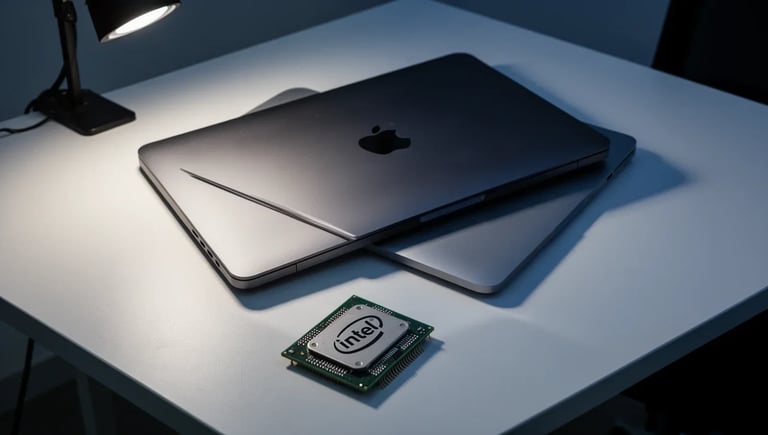

WWDC 2026 is set to unveil macOS 27 in June, with the final release expected in September, signaling a definitive shift of the Mac platform to Apple Silicon.
A beta of macOS 27 in June will run exclusively on Apple Silicon, marking the end of the Intel era.
Intel responds with mobile Core Series CPUs featuring an NPUs and HUDIMM memory, while the price trajectory for certain peripherals climbs.
Excluding Intel is framed as a technical necessity as new macOS features rely on Neural Engine and Unified Memory Architecture in the M-series and prioritize local AI capabilities.
Several older models are no longer in active major updates, including the 16-inch MacBook Pro (2019), the 2020 27-inch iMac, and the 2019 Mac Pro, though they may still receive security patches for some time.
Apple is diversifying its hardware lineup, potentially introducing a budget Mac Neo Desktop around 299 USD to enter the Silicon era, with dual-monitor support and 12 GB RAM.
Analysts expect macOS 27 to support all Macs with M1 or newer, with Rosetta 2 possibly retired after this release, and future versions may reduce Rosetta usage further.
Hardware bottlenecks and supply-chain issues push the roadmap: Mac Studio with M5 is now slated for October 2026; MacBook Pro with OLED and M6-Pro shifts to late 2027; DRAM prices have doubled.
From macOS 27 onward, support will be exclusive to Apple Silicon Macs with M-series chips, potentially including the upcoming MacBook Neo with an A18 Pro processor.
The outlook emphasizes a converged software-hardware strategy centered on macOS 27 as a turning point, with focus on AI features, recycling, and storage-price stability likely only by late 2027/2028.
The shift underscores a future where Mac software and hardware development are aligned exclusively around Apple’s own chip architecture, not Intel.
Apple transitioned to Apple Silicon in 2020 and has since shown advantages like better performance, longer battery life, and quieter operation on M-series Macs.
Summary based on 2 sources
Get a daily email with more Tech stories
Sources

Letem svetem Applem • Apr 20, 2026
macOS 27 will end one great era of Macs! What Apple is he going to