Uber's $10 Billion Bet on Autonomous Fleets Marks Major Strategic Shift
April 19, 2026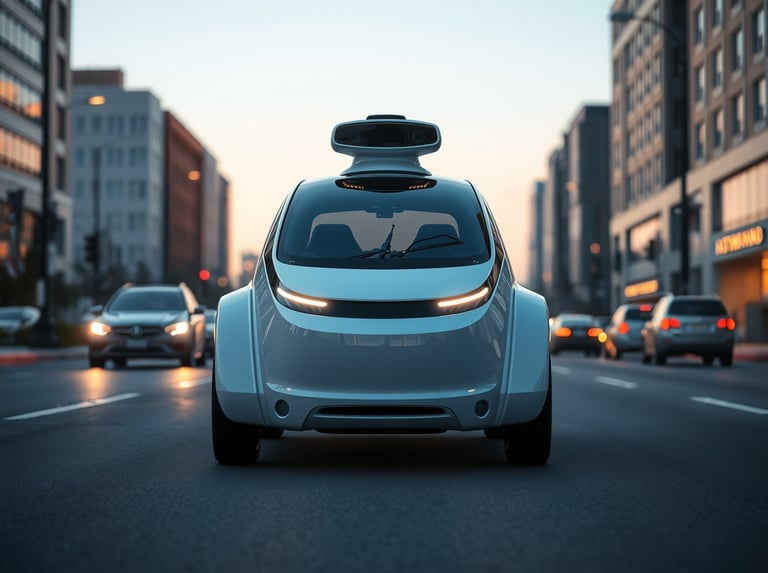

Uber is committing more than $10 billion to autonomous vehicle efforts, signaling a strategic shift from an asset-light platform to an asset-heavy model centered on owning or leasing robotaxi fleets.
The plan envisions about $2.5 billion in direct investments and roughly $7.5 billion earmarked for robotaxi acquisitions, according to Financial Times records and sources.
This marks a move away from Uber’s prior asset-light approach toward deploying fleets built by partner companies, effectively giving Uber control over deployment and fleet operations.
The new asset-heavy strategy centers on deploying fleets from partner manufacturers rather than fully developing the technology in-house, balancing external AV expertise with Uber’s fleet management.
Uber is building an ecosystem through partnerships with sensor developers, mapping, and AI specialists to accelerate deployment via a diversified technology portfolio.
The move brings significant financial and operational implications, including capital expenditure on property, plant, and equipment, maintenance, charging, insurance, and fleet-management partnerships.
Uber’s portfolio already includes stakes in WeRide, Lucid Motors, Nuro, Rivian, and Wayve, reflecting a broad, diversified approach to autonomous and mobility technology.
Historically, Uber pursued moonshot initiatives like Elevate, ATG, Otto, and Jump, then divested these assets in 2020 while retaining strategic stakes, signaling a transition back toward asset ownership.
The broader takeaway is that Uber’s $10 billion AV gamble aims to position it at the forefront of deployment, but success hinges on technology progress, regulatory approval, and viable fleet economics.
Industry context shows intense competition from Waymo, Tesla, GM Cruise, Ford, and active venture funding, with regulatory and safety considerations shaping progress across jurisdictions.
Recent industry notes include leadership moves at Ford, Lightship’s factory expansion, battery recycling partnerships, and Waymo’s road testing and regional rollout developments.
Looking ahead, autonomous vehicle adoption could rise meaningfully by the end of the decade, driven by potential cost reductions and improved service availability, moderated by capital and operating costs.
Summary based on 2 sources
Get a daily email with more Tech stories
Sources

TechCrunch • Apr 19, 2026
TechCrunch Mobility: Uber enters its assetmaxxing era
BitcoinWorld • Apr 19, 2026
Uber Autonomous Vehicle Strategy: The $10 Billion Gamble Transforming Transportation