Drought’s Disease Paradox: Why Dry Spells Can Fuel Some Outbreaks and Suppress Others
November 6, 2026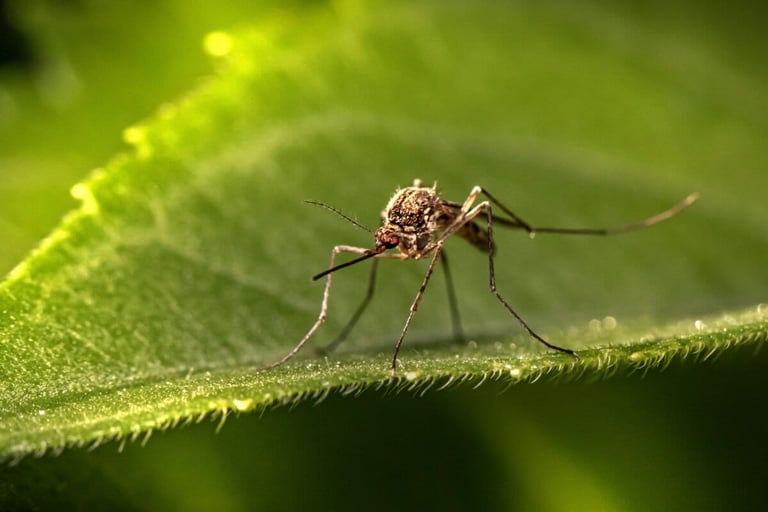

A review of 100 studies finds that drought can increase the risk of some water-dependent infectious diseases while suppressing others—a pattern researchers call the drought-disease paradox.
The review outlines three main pathways: drought can crowd hosts together, alter water conditions that affect pathogen survival and infection, or dry up water bodies and the populations they support.
Risk can rise when water sources shrink but do not disappear, concentrating animals and pathogens at the remaining water and creating more chances for transmission.
Drought can also simplify aquatic habitats, reduce predators and competitors, and change water quality in ways that sometimes favor mosquitoes and other disease vectors.
One example came in Brazil, where a severe drought from 2014 to 2017, alongside deforestation and intensive land-use change, helped drive mosquitoes and other animals toward cities before a 2017 yellow fever outbreak that infected more than 2,000 people and killed 700.
In Senegal, a dam on the Diama River blocked native prawns that prey on disease-carrying snails, contributing to a schistosomiasis outbreak; after the prawns were reintroduced, infected snails fell by 80%, infections declined by about 18%, and parasite eggs detected in infected people dropped by roughly half.
Researchers cite conservation, vaccination, vector control and ecological interventions as ways to limit risk, including restoring predators such as prawns and dragonflies, though dragonflies themselves face threats from habitat loss and drought.
The researchers say tracking how pathogens respond to drought could help forecast outbreaks as climate change and other human pressures reshape which infections decline and which intensify.
Summary based on 1 source
Get a daily email with more Science stories
Source

Conservation news • Nov 6, 2026
Drought driven by climate change is redefining how disease spreads, study finds