How Climate Change Fueled 2026’s Extreme Heat, Drought, Floods and Wildfires
November 6, 2026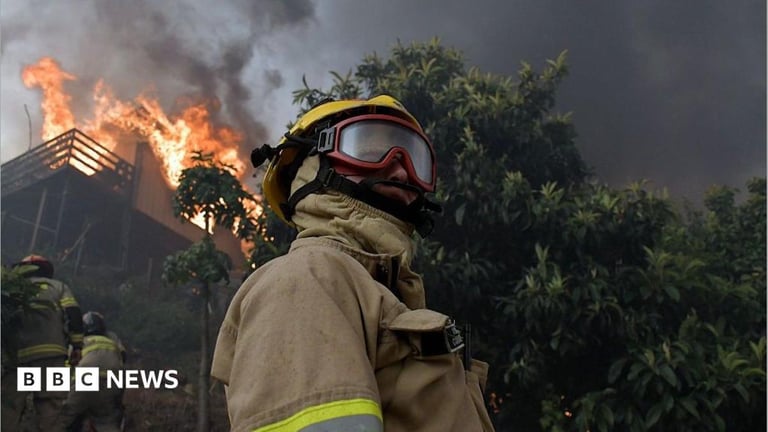

Human-caused climate change is shifting heat and rainfall patterns, making many extreme weather events more frequent or intense; scientists estimate its influence by comparing real-world events with simulations of a climate without human-caused warming.
That influence was clear in the UK’s record-hot summer of 2026, which the Met Office said climate change made 130 times more likely; the summer included five widespread heatwaves and 40 days above 30C.
Heat extremes also struck elsewhere, with climate change intensifying Australia’s January heatwave, temperatures of 45C in India in April and deadly heat in Europe in June 2026.
Warming can worsen drought by shifting rainfall, increasing evaporation from soil and raising water demand; in 2026, drought affected all of Wales and two-thirds of England, while the Loire, Po, Rhine and Danube rivers reached record-low levels.
World Weather Attribution found that climate change made the 2026 drought more likely in Jamaica and Puerto Rico, increasing the likelihood of extreme dry conditions by 40% and 30%, respectively.
At the other extreme, heavy rainfall has become more frequent and intense across most land regions, according to the IPCC; UK winters from 2016 to 2025 were 13% wetter than in 1961–1990, although the Met Office cautions that one decade is insufficient to establish a clear trend.
Climate change also increased Hurricane Melissa’s extreme rainfall by 16%.
Hot, dry conditions pull moisture from soil and vegetation, creating fuel for wildfires, though land use, ignition sources and other factors also shape whether fires start and spread; climate change made the conditions enabling Canada’s 2026 fires twice as likely and increased the area burned in January’s Chile and Argentina fires by about 36%.
The UK’s 2026 wildfire season ranked as its second-worst on record after 2022, according to provisional data, with two fires destroying 19 homes in Stourbridge.
Looking ahead, the UN Environment Programme projects that the number of the most extreme wildfires could rise by as much as 50% by 2100.
Summary based on 1 source
Get a daily email with more Science stories
Source
BBC News • Nov 6, 2026
How climate change worsens heatwaves, droughts, fires and floods