Study Links GLP-1 Medication Gaps to Increased Heart Risk in Type 2 Diabetics
September 22, 2026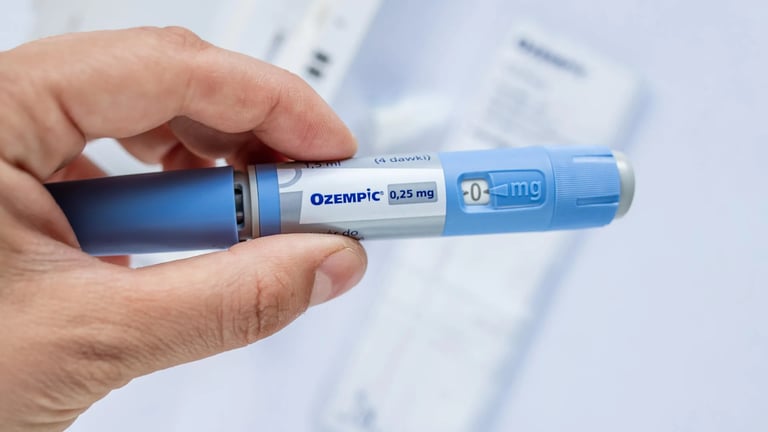

A large U.S. veterans study involving more than 333,000 individuals with type 2 diabetes finds that stopping GLP-1 medications for six months or longer is linked with a higher risk of major cardiovascular events, including heart attack, stroke, and death, versus continuing treatment.
Researchers describe a rapid loss of GLP-1–driven metabolic benefits—beyond weight loss—such as improvements in inflammation, blood pressure, and cholesterol after cessation, a phenomenon they call a ‘metabolic whiplash,’ with partial recovery upon restart but not full restoration of prior protection.
About one in eight U.S. adults use GLP-1 medications, underscoring the need for continuous treatment and strategies to improve adherence by addressing cost, side effects, and access barriers.
The findings were published in BMJ Medicine and were funded by the U.S. Department of Veterans Affairs, which had no role in study design, data analysis, or publication decisions.
Continuously taking GLP-1 drugs for the full three-year period provided the greatest cardiovascular protection, with an 18% lower risk of major cardiovascular events compared with sulfonylurea users; stopping for two years or more largely erases this benefit.
Key drugs studied include semaglutide-based Ozempic and Wegovy, and tirzepatide-based Mounjaro and Zepbound; participants were followed for up to three years, comparing GLP-1 users with those on sulfonylureas such as glipizide, glimepiride, and glyburide.
Interruptions in GLP-1 therapy—even if restarted later—reduce cardiovascular protection, with six-month gaps associated with a 4%–8% higher risk, and two-year gaps raising risk up to 22% compared with continuous use.
Summary based on 1 source
Get a daily email with more Science stories
Source

ScienceDaily • Sep 21, 2026
Stopping Ozempic may raise heart attack and stroke risk