Hexagonal Cilia Patterns Unveil New Insights into Coral Survival Amid Rising Ocean Temperatures
September 20, 2026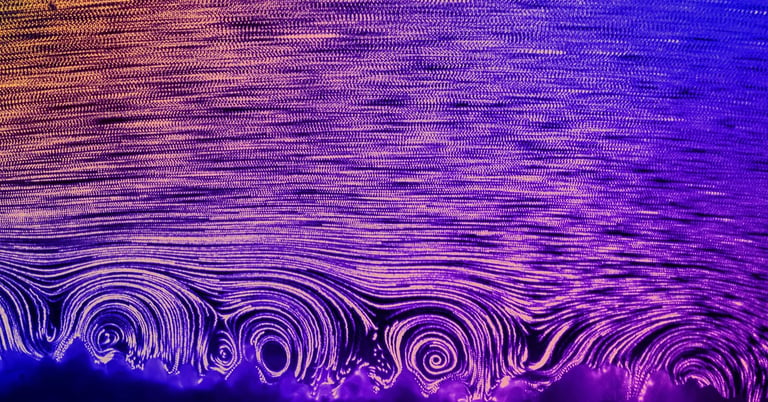

Cilia arrange in hexagonal patterns to generate corkscrew-like turbulence that brings in oxygen and pushes sediment away, reframing how corals manage deoxygenation alongside bleaching.
Researchers plan to test ciliary behavior under normal light-dark cycles and distinguish molecular triggers from physical ones to better predict how corals respond to climate change.
A May 2026 Science study shows cilia-generated vortices and boundary layer dynamics are central to coral oxygen transport, with water warming causing cilia to speed up and then shut down once temperatures reach about 39°C in the studied species.
These findings help explain patchy bleaching and differential mortality, suggesting that oxygen dynamics—not just temperature and bleaching—are critical to coral health in warming oceans.
As ocean temperatures rise and dissolved oxygen declines, cilia beat faster to compensate, but at a certain point the increased consumption outpaces supply, leading to suffocation and death of the coral.
Corals rely on tiny hairlike cilia to create water vortices that deliver oxygen to tissues, a process previously underappreciated by scientists.
Summary based on 1 source
Get a daily email with more Science stories
Source

WIRED • Sep 20, 2026
Tiny Hairs That Help Corals Breathe May Malfunction in Warming Oceans