New Wild Cat Species Discovered in Bolivia: Leopardus Tilcayo Unveiled After a Century
September 17, 2026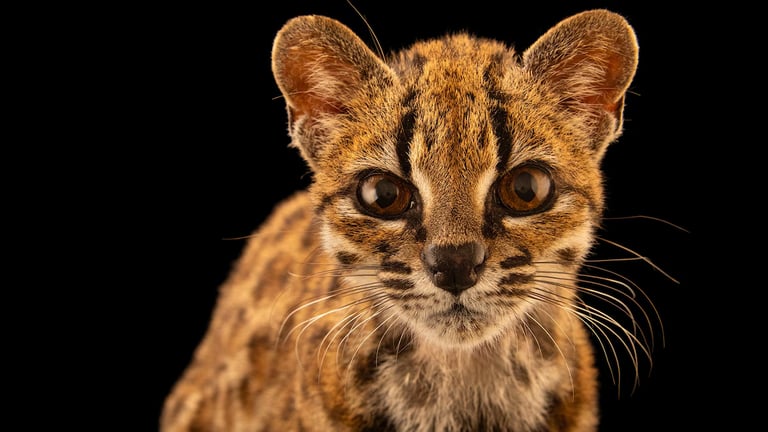

A new wild cat species from Bolivia, Leopardus tilcayo, has been formally described, marking the first new living cat species named in over a century.
The study analyzed complete genomes from 38 Leopardus cats, including 26 tiger cats, incorporating samples from previously unsurveyed regions like the Guianas and museum specimens to build a comprehensive genetic picture.
Tiger cats are small, cryptic felines in the Leopardus genus, typically 1–2 feet long and weighing 4–6 pounds, with fur patterns that require genetic analysis to distinguish species.
The article ties the discovery to broader themes of wildlife conservation, the role of local communities in naming and knowledge preservation, and calls for supporting conservation initiatives such as the Andes Amazon Fund.
Researchers emphasize that new species discoveries raise awareness about undocumented biodiversity and the risks of disappearing before formal description.
Tilcayo’s identification strengthens the case for habitat protection and broader conservation efforts in the region.
Key collaborators include Eduardo Eizirik and Jonas Lescroart, with conservation expert James Sanderson providing commentary on implications for margay and other Leopardus species.
Co-lead authors Paola Nogales-Ascarrunz and Jonas Lescroart stress the significance of the find for understanding regional biodiversity and conservation.
Researchers highlight that wild cat populations remain poorly understood and call for further study and conservation in the Bolivian Yungas, a habitat facing development pressures.
They also indicate a high likelihood of more undiscovered biodiversity in the Yungas and urge intensified conservation of tiger cat species.
L. tigrinus is listed as vulnerable by the IUCN, and the conservation status of the new species and subspecies will require evaluation as habitats shrink from agricultural expansion.
Findings imply that recognizing multiple distinct species may alter conservation status assessments, since each population could be smaller than previously thought.
Summary based on 8 sources
Get a daily email with more Science stories
Sources

Gizmodo • Sep 17, 2026
Scientists Discover First New Cat Species in Over a Century—and It’s Love at First Sight
The Guardian • Sep 17, 2026
New cat species identified in Bolivia for first time in more than a century
BBC News • Sep 17, 2026
Spotted wildcat from Bolivian forest revealed as new species
CNET • Sep 17, 2026
Congratulations, World: A New Supercute Cat Species Has Been Found