New Study Reveals Indigenous Australian Population Collapse Post-1788, Predicts Recovery by 2047
September 15, 2026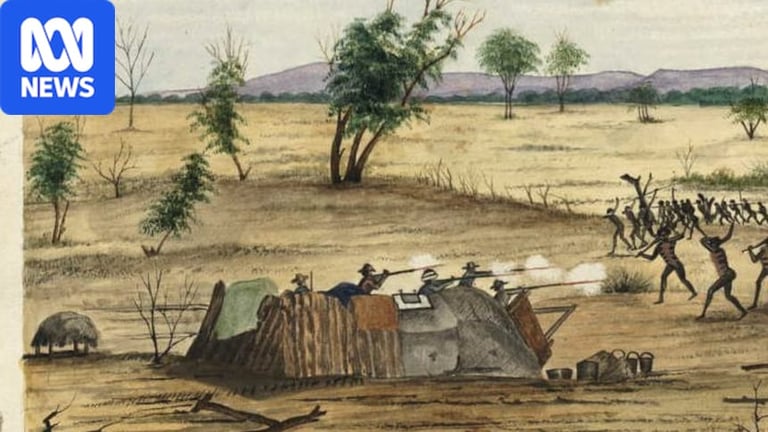

A new study published in Nature Human Behaviour estimates the pre-colonial Indigenous Australian population at a median of about 2.22 million in 1788, far higher than prior figures.
The researchers combine ethnographic records, archaeological findings, genetic reconstructions, and environmental models to derive this population estimate.
They highlight smallpox and frontier violence as major drivers of decline, noting that recorded massacres likely understate the true scale and much violence occurred covertly.
By 1861, roughly 7% of the 1788 population remained, signaling a rapid early collapse after European settlement.
Lead researchers emphasize that the loss of about 93% of the population was disastrous, yet Indigenous cultures persisted with languages, culture, and land management continuing despite atrocities.
The present Indigenous population, per the 2021 census, is about 37% of the 1788 baseline, and if growth continues, the population could reach that level again by around 2047.
The authors advocate using multiple data sources to reconstruct population history, since early records may misrepresent original sizes due to disease and violence.
The study stresses accurate pre-colonial estimates for truth-telling and reconciliation, noting Indigenous populations have grown since the 1950s and could near parity with the 1788 baseline by 2047 if current trends persist.
The article provides the publication citation and DOI for the study: Williams et al. 2026 in Nature Human Behaviour, doi:10.1038/s41562-026-02571-9.
Based on the estimate, about 93% of the Indigenous population died between 1788 and 1861, equating to roughly 2.06 million excess deaths and an average of about 28,200 per year.
The research projects around 2.06 million deaths due to diseases, massacres, and displacement-related mortality, leaving only about seven percent surviving within seven to eight decades after 1788.
Researchers used computer modeling alongside ethnographic, archaeological, and genetic data to revise estimates and better reflect colonisation's impacts.
Summary based on 2 sources
Get a daily email with more Science stories
Sources
Archaeology News Online Magazine • Sep 15, 2026
Indigenous Australian population was far larger before 1788, with 93% lost after the First Fleet arrived