Iron Age Salt Mine in Hallstatt Unveils Ancient Secrets Through DNA and Multi-Chamber Network
September 11, 2026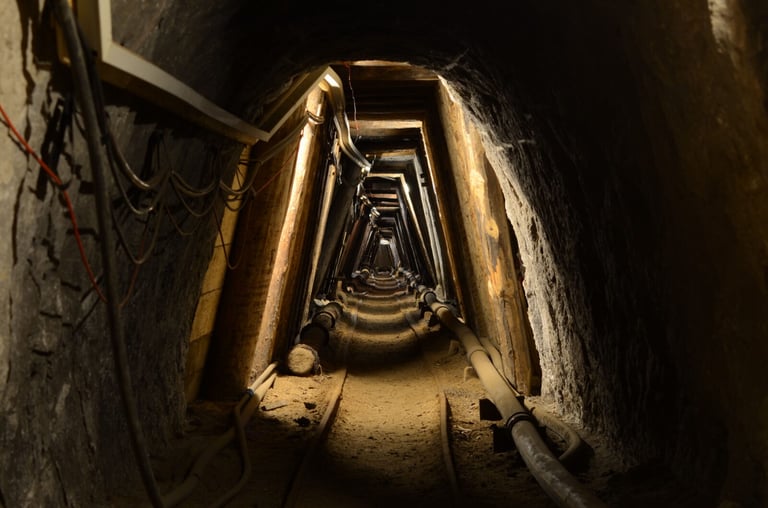

Hallstatt’s salt has preserved an unusually complete Iron Age archive, including textiles, wooden bowls with food remains, human waste, and possibly even genetic material, offering insights into mining tech, clothing, diet, and working conditions.
The exceptional preservation slows decay and makes the mine a rare, detailed record of prehistoric production and daily life, providing a depth of information rarely available at other sites.
DNA was recovered from both miners and their food remains, adding a genetic dimension to the archaeological record.
In 2022, core drilling revealed a multi-chamber network rather than a single cavity, with chambers up to 25 meters wide and 20 meters high and thick layers of mining waste indicating prolonged activity.
The Iron Age mining shows a shift in techniques, with changes in tool handles and closer parallels to other Austrian salt mines like Dürrnberg, signaling broader regional practices.
Ongoing restoration of older mine sections and reopening areas for study will be showcased at the Archaeology on the Mountain event (Sept. 12–13, 2026), highlighting the evolution of salt transport from early brine pipes to railways and a funicular.
Findings are documented by NHM Wien and APA reports via Salzburger Nachrichten, with details aligned to public exhibitions and updates.
Mining persisted through multiple periods, with workers returning after landslides to reuse and expand chambers across the site.
The discovery reveals a vast Iron Age complex beneath Hallstatt, extending at least 300 meters with parallel chambers arranged along salt deposits—an underground layout not previously documented.
The large-scale complex includes chambers beside, above, and below one another, indicating a sophisticated, multi-level mining operation.
The project aims to reopen and reexamine older, unsafe sections using modern methods, potentially reshaping knowledge of Hallstatt’s prehistoric mining.
Chambers’ dimensions and distribution suggest miners pursued the richest salt-bearing zones, reflecting adaptive mining strategies rather than creating one vast cavity.
Summary based on 2 sources
Get a daily email with more Science stories
Sources

Archaeology News Online Magazine • Sep 12, 2026
Huge Iron Age salt-mining complex found beneath Hallstatt in Austria
Arkeonews • Sep 11, 2026
Vast 300-Meter Iron Age Mining Complex Discovered Beneath Hallstatt