Denisovans Thrived in Yunnan Cave for 120,000 Years, Unveiling Ancient Secrets
September 9, 2026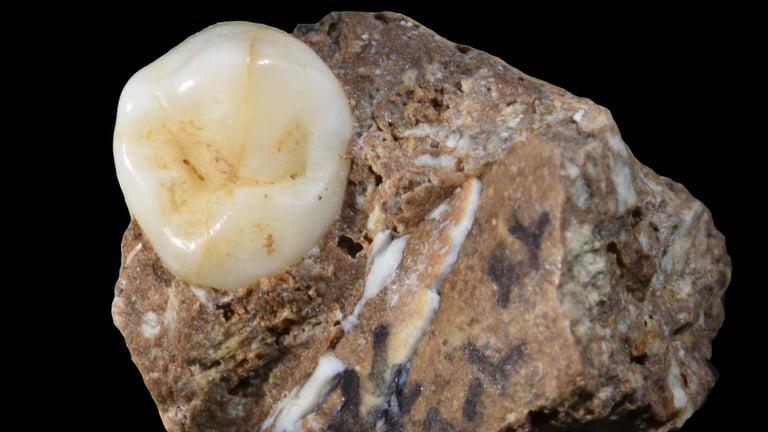

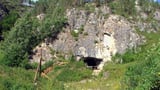
In a major breakthrough, researchers find Denisovans thriving at Bianfu Cave in Yunnan, China, with evidence of occupation spanning at least 30,000 years and possibly up to 120,000 years through a rich trove of bone fossils and stone tools.
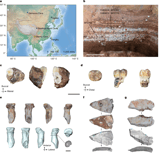
Fragments from the site include four teeth, parts of an arm bone, and two skull fragments with dating indicating a presence over tens of thousands of years, including skulls roughly dating to the late Pleistocene.
Bianfu Cave provides the longest, most coherent record of Denisovan behavior and technology to date, featuring bone tools and signs of skilled hunting of animals such as deer.
Genetic analysis confirms a close relation between Denisovans and Neanderthals, while evidence points to interbreeding with modern humans in Southeast Asia and Oceania, with less clear links to Africa or Europe.
The findings also strengthen the understanding of Denisovan geographic range in Asia, aligning with modern-human Denisovan genetic links in the region.
The results imply regional variation among Denisovans, suggesting distinct ecological niches and possibly different technologies in Yunnan compared with Siberia or the Tibetan plateau.
Tool-use at the site appears improvised rather than standardized, indicating a less specialized approach to toolmaking.
Overall, the work expands knowledge of Denisovan morphology and culture and demonstrates the value of proteomics and ZooMS in paleogenomic-era archaeology.
The studies reveal that Denisovans inhabited forested eastern Asian landscapes and developed a diverse set of technologies and subsistence strategies.
Before this discovery, Denisovan remains were scarce and scattered from Siberia to Laos, limiting insights into their biology and culture.
Ancient collagen and enamel proteins were sequenced to confirm taxonomic affiliation, with a Denisovan diagnostic marker in COL1A2 and enamel protein variants supporting Denisovan affinity.
The arm bone suggests Denisovans may have had bone morphology more similar to modern humans than to Neanderthals, hinting at a human-like look in some aspects.
Summary based on 7 sources
Get a daily email with more Science stories
Sources
Nature • Sep 9, 2026
Ancient proteins identify various Denisovan remains from Southwest China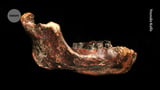
Nature • Sep 9, 2026
Who were the Denisovans? Rich trove of fossils and tools paints new picture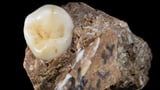
History • Sep 9, 2026
Researchers Discover Rare Denisovan Bones in a Cave in China