Puffin Population Plummets 30% at Isle of May: Climate Concerns Rise
September 4, 2026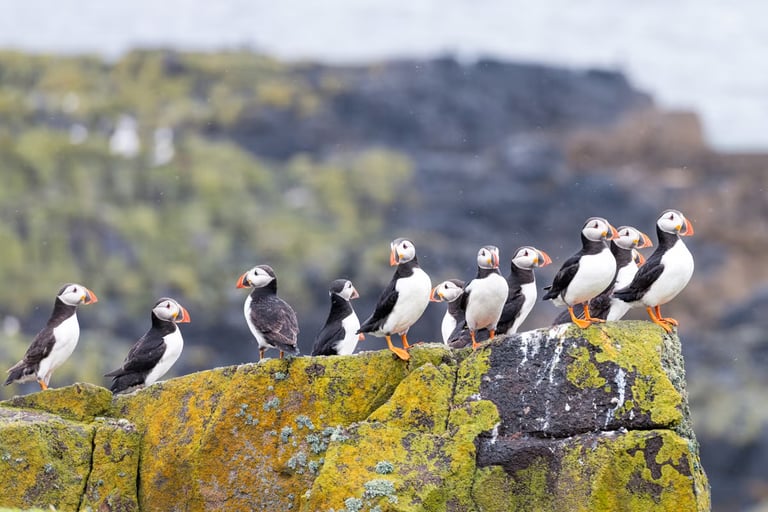

A census at the Isle of May National Nature Reserve shows 36,500 occupied puffin burrows this summer, down from 39,000 in 2017 and 52,000 in 2024, marking a sharp overall decline.
Overall puffin numbers at this major UK colony have fallen by about 30% over the last two years, signaling conservation concerns amid changing climate conditions.
The declines at Isle of May are attributed to reduced food supplies and extreme weather, with the reserve hosting other species and serving as a critical stopover for migrating birds and thousands of breeding seals in autumn and winter.
Reserve managers and researchers stress the importance of ongoing monitoring and conservation efforts to track trends and respond effectively.
Experts warn that climate-driven extreme weather is likely to become more frequent and severe, potentially worsening seabird declines in the future.
UKCEH field manager Mark Newell notes that escalating extreme weather could impact puffin breeding success and broader seabird populations.
Beyond puffins, Guillemots, fulmars, terns, and gulls also inhabit Isle of May, which is an important stopover and supports thousands of breeding seals in the colder months.
Puffins spend up to eight months at sea, return to land in spring to breed, and typically mate for life with one egg per pair.
Isle of May National Nature Reserve has hosted nearly 300 bird species and serves as a key site for monitoring seabird populations and conservation efforts.
Researchers conducted a six-day burrow survey to determine puffin occupancy and distinguish puffin burrows from rabbit burrows.
NatureScot and UKCEH attribute declines to multiple pressures, including food supply challenges, poorer winter survival, and increasingly extreme weather.
Long-term monitoring links climate change to puffin struggles, citing higher mortality from storms and reduced food due to rising ocean temperatures and impacts on sand eel populations.
Summary based on 2 sources
Get a daily email with more Science stories
Sources
BBC News • Sep 4, 2026
Isle of May puffin numbers plummet after extreme weather
The Independent • Sep 4, 2026
Puffin population drops sharply at key UK colony amid climate change concerns