First Aedes Mosquito Breeding Detected in London: Climate Change Raises Future Risk
September 3, 2026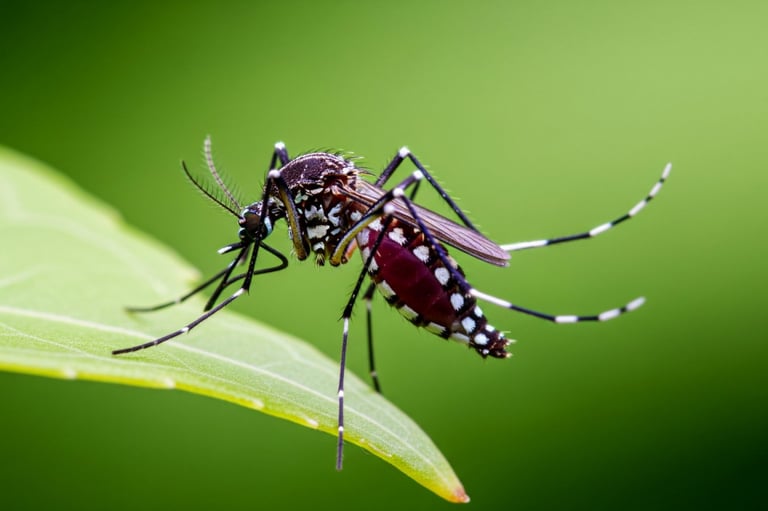

The UK has detected the first breeding of the Aedes aegypti mosquito in east London, signaling an invasion that could spread if conditions become suitable.
Experts say the mosquitoes likely arrived in the UK via hitchhiking in vehicles, luggage, or imported plants, with breeding observed through UKHSA's mosquito watch scheme.
Public health guidance emphasizes eliminating standing water around homes and reporting sightings through the Mosquito Watch scheme to prevent breeding.
The immediate public health risk remains very low, with no evidence of human transmission in the UK yet; this finding is treated as an early warning.
UKHSA stresses the risk is low overall and there is no confirmed human infection linked to these mosquitoes in east London.
Extreme heat and urban heat islands could foster local breeding during warm spells, though the UK climate is not currently suitable for long-term establishment.
Most people bitten by Aedes aegypti experience mild symptoms; seek medical advice if fever or illness develops after travel to areas with dengue, chikungunya, or Zika.
Climate change is discussed as a potential driver of northward mosquito expansion and increased transmission risk in Europe, with studies noting higher temperatures could enable chikungunya transmission across much of the continent.
Earlier studies this year also suggest warmer temperatures could enable chikungunya transmission over broader areas of Europe, underscoring climate-driven disease risks.
Control measures include destroying larvae and ongoing monitoring to eradicate any further mosquitoes in the affected area.
UKHSA confirmed the detection and simultaneous larval destruction on the same timeframe, with continued monitoring to prevent resurgence.
Experts warn that a warming climate makes the UK more hospitable to exotic species, calling for stronger biosecurity, surveillance, and measures to limit hitchhiking pathways like plants and soils.
Summary based on 2 sources
Get a daily email with more Science stories
Sources
The Guardian • Sep 3, 2026
Invasive tropical mosquito found breeding in east London
New Scientist • Sep 4, 2026
How worried should we be about the invasive mosquitoes in the UK?