Cuttlefish Crisis: Alarming Egg Shortage and Population Decline Threaten Survival
August 29, 2026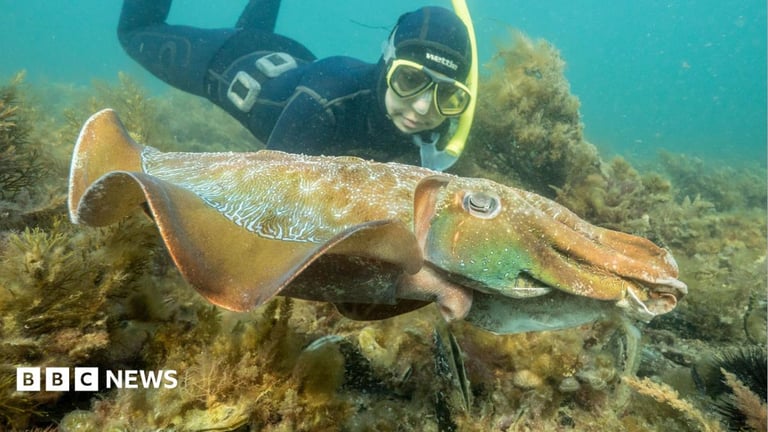

Along eight kilometers of coastline, researchers counted only about 440 eggs, a tiny fraction of the millions typical for this species, signaling potentially severe impacts on the next generation.
Scientists note natural population ups and downs and other contributing factors, with a harmful algal bloom identified as a leading explanation but not confirmed as the sole cause.
Historical surveys show the species has fluctuated widely, with past lows around 13,500 individuals and highs near 247,000, suggesting recovery is possible if conditions improve.
Diving surveys found adult cuttlefish to be unusually shy and scarce, with only about a dozen observed when tens of thousands would normally be seen, signaling weakened population dynamics.
Conservationists urge ongoing monitoring of eggs and juveniles and long-term impact assessments, with DEW and the South Australian Research and Development Institute guiding future decisions.
Experts warn the decline could be catastrophic for the species and advocate classifying it as endangered, citing dire prospects for the next breeding season due to low juvenile input.
Officials attribute the decline to a prolonged toxic algal bloom along South Australia’s coast, linked to ocean warming, marine heatwaves, and nutrient pollution driven by climate change.
Cuttlefish Coast’s historic mating event drew a record-low 1,811 individuals this year, a 97% drop from last year’s 63,000.
Summary based on 1 source
Get a daily email with more Science stories
Source
BBC News • Aug 29, 2026
Why Australia's giant cuttlefish mating season has gone silent