Ancient Ceramic Breakthrough: 11,500-Year-Old Fired Pottery Found in Turkey Challenges Innovation Timeline
August 5, 2026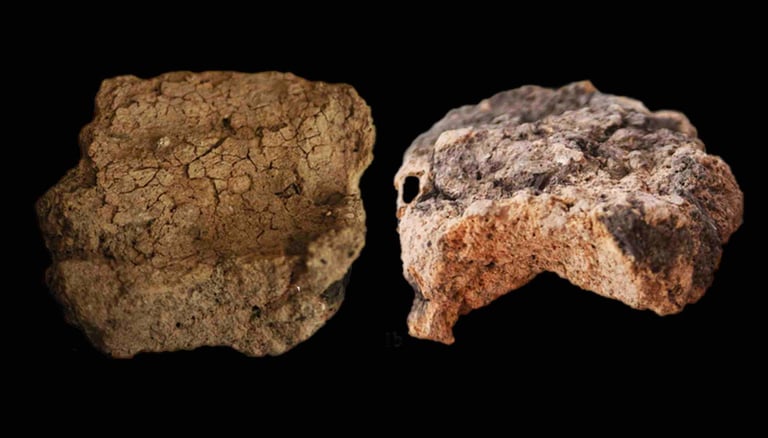

A new study suggests that ceramic innovation began around 11,500 years ago through regional, gradual experimentation rather than a single invention, placing Çemka Höyük among the oldest sites with intentionally fired ceramic technology in Southwest Asia.
At Çemka Höyük in southeastern Turkey, researchers found evidence of intentionally fired pottery dating to about 9,350 BCE, indicating earlier experimentation with ceramic technology than previously thought.
The findings highlight the social and cultural dimensions of technological change, showing how new materials become embedded in daily practices and culinary routines, not just as functional artifacts.
In addition to pottery fragments, researchers uncovered unusual clay coatings and attachments that may have been used to cover organic objects or enlarge vessel capacity, suggesting a broader range of early clay use before widespread pottery adoption.
The assemblage includes more than 45 low-fired clay fragments from at least nine vessels, revealing slab-building techniques and the use of organic temper, with firing at controlled low temperatures around 600–700°C that produced permanent ceramic transformation.
This research fits into a wider regional pattern of early clay experimentation across Türkiye, Syria, Jordan, Iran, and Israel, suggesting Neolithic communities gradually integrated clay into daily life for storage and food preparation before full pottery production spread widely.
Summary based on 1 source