Breakthrough Lipid Nanoparticle Platform Delivers Antibodies Inside Cells, Targets Hard-to-Reach Proteins
July 13, 2026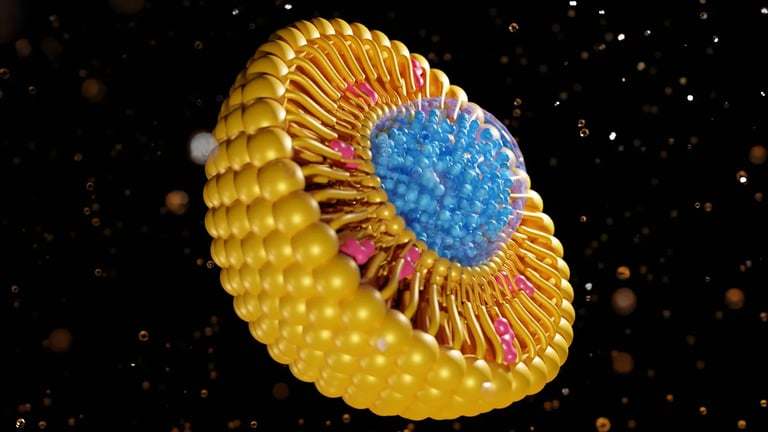


A lipid nanoparticle–based delivery platform can ferry full-length antibodies into the cytoplasm, enabling access to intracellular proteins that antibodies couldn't reach before.
The approach works across tissues with different barriers, demonstrating versatility for targeting organs such as the lung and brain.
In animal models, antibodies delivered to the lungs reduced inflammation in acute lung injury, and antibodies targeting α-synuclein were delivered into the brains of mice, reaching cells implicated in Parkinson’s disease.
Before encapsulation, the antibody surface is temporarily modified with negatively charged molecules to promote binding to nanoparticles, with the modification removed inside the cell to restore antibody function.
In cancer cells, delivered antibodies blocked transcription factors that regulate cancer and inflammation genes, showing intracellular activity against previously hard-to-target proteins.
The platform could dramatically expand the therapeutic reach of antibodies by enabling intracellular targeting and swapping antibodies to address various diseases without changing the delivery system.
Existing antibody drugs can be paired with the delivery system, potentially enabling targeting of different diseases without designing new antibodies from scratch.
Because this method relies on validated lipid nanoparticle delivery, it leverages an established clinical framework, potentially accelerating translation for delivering intact antibodies inside cells.
Summary based on 1 source
Get a daily email with more Tech stories
Source

Forbes • Jul 13, 2026
New Antibody Formulations Allow Antibodies To Target Structures Hidden Within Cells