Epigenetic Editing: Revolutionizing Gene Therapy and Agriculture with CRISPR Innovations
July 13, 2026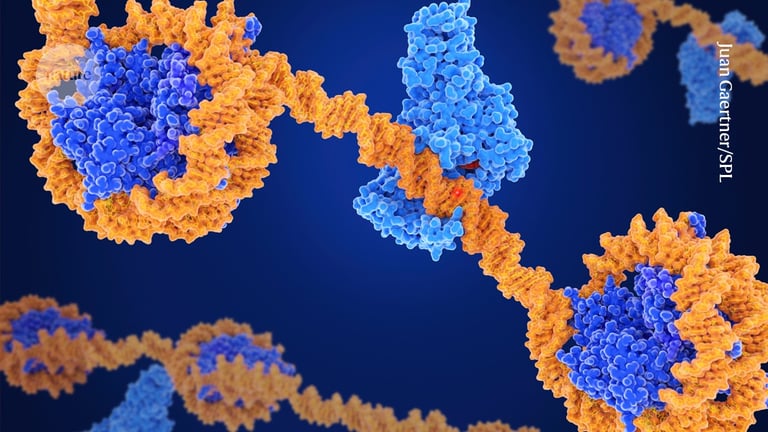

Epigenetic editing is being explored in clinical and translational settings to fine-tune gene expression, including integration with therapies like CAR-T to minimize DNA breaks while achieving desired effects.
The field has shifted from initial skepticism to active development, with several companies and early clinical trials pursuing therapeutic applications and crop improvements.
Delivery methods range from transient plasmids and viral vectors for short-term changes to integrating vectors or transgenic lines for longer-lasting effects, enabling diverse research and therapeutic strategies.
Notable efforts include silencing disease-causing brain genes, reducing cholesterol via PCSK9 repression in mice, and pursuing hepatitis B viral silencing through epigenomic approaches by nChroma Bio and Tune Therapeutics.
Epigenetic editing uses CRISPR-guided epigenome modifiers to alter gene expression without changing the DNA sequence, offering a flexible alternative to traditional gene editing.
In agriculture, epigenome editing holds promise for modifying crop traits by changing gene activity without altering the underlying DNA, potentially accelerating breeding timelines.
These epigenetic editors combine a CRISPR-based DNA guide with effectors like methyltransferases, demethylases, or artificial transcription factors to activate or repress expression, temporarily or permanently.
Summary based on 1 source
Get a daily email with more Science stories
Source

Nature • Jul 13, 2026
Epigenetic editing makes its mark