Cova 338: Ancient High-Altitude Malachite Processing Site Uncovered in the Pyrenees
July 13, 2026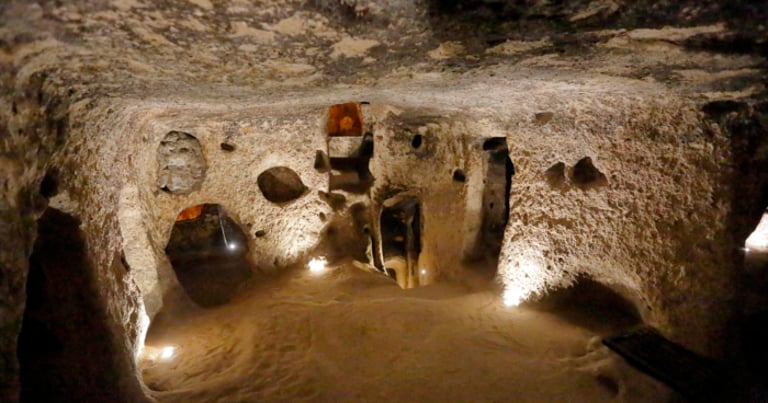

Researchers urge cautious interpretation, suggesting that Cova 338 was used for malachite processing rather than metallurgical smelting, and highlight it as one of the earliest high-altitude, organized resource activities in Western Europe.
Ongoing excavations are probing unexplored back chambers and deeper layers to uncover more about the site’s use and the people who inhabited it.
The dig led by Professor Carlos Tornero uncovered 23 hearths across occupation layers spanning roughly two millennia, with more than 200 green mineral fragments showing deliberate thermal alteration.
Found a child’s tooth and a finger bone from an estimated eleven-year-old, suggesting Cova 338 may have functioned as a burial site at times, though its relationship to the processing area remains uncertain.
The site challenges the idea that high-altitude environments were marginal for prehistoric life, showing that alpine areas were integrated into long-term economic practices rather than visited only briefly.
Cova 338, a high-altitude cave in the Pyrenees at 2,235 metres, reveals centuries of repeated visits by communities to work with green malachite stones near the summit.
Analyses confirm the mineral is malachite and that heating was part of a processing activity, but there is no definitive evidence of copper smelting due to missing temperatures and equipment.
Summary based on 1 source