Global Efforts Intensify to Safeguard Hammerhead Sharks from Extinction
July 3, 2026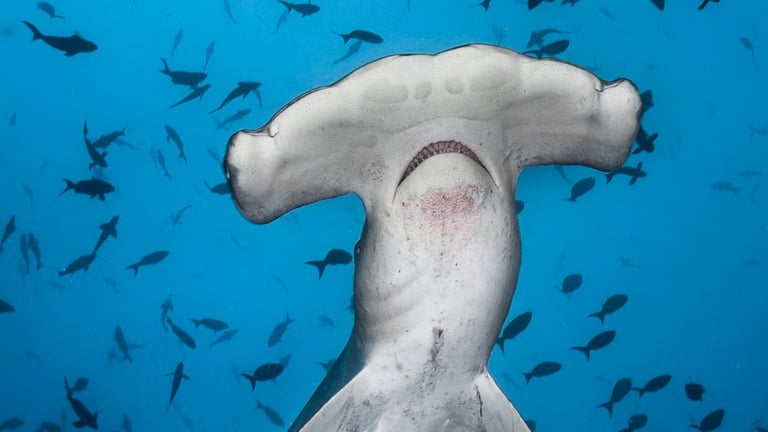

Tracking and research efforts are essential to map hammerhead migrations and locate elusive populations, using satellite tagging and environmental DNA to protect sharks even when they aren’t directly observed.
Conservation solutions include establishing marine protected areas at key habitats like nurseries and migration routes, with evidence of positive impacts seen in places such as Cabo Pulmo after a no-fishing zone was set in 1995.
An investigative report outlines how overfishing, bycatch, finning, habitat destruction, and pollution are driving hammerhead populations toward endangerment or extinction.
Global protections are advancing as scalloped and great hammerheads were added to Appendix I of the Convention on Migratory Species, but effective protection requires countries to implement and enforce measures.
Public actions include choosing bycatch-free or locally caught fish, reducing demand for shark fins, and supporting conservation efforts to expand MPAs, strengthen enforcement, and fund ongoing research.
The overarching message is that protecting hammerheads demands coordinated global protections, preserved habitats, movement tracking, and changes in consumer behavior to prevent further decline and sustain ecosystem health.
A recent initiative established a 200,000 square kilometer marine protected area in Papua New Guinea to safeguard sharks, dolphins, whales, and rays, guided by National Geographic expeditions and research.
Experts stress protecting migratory corridors and breeding sites, noting that some hammerheads undertake long migrations across multiple jurisdictions, making location-specific protections critical.
Hammerhead sharks are slow-growing with low reproductive output, heightening vulnerability to overfishing and rapid declines noted since the 1970s, with global estimates of 73–100 million sharks killed annually.
Summary based on 1 source
Get a daily email with more Science stories
Source
Animals • Jul 3, 2026
Can we save the hammerhead shark from extinction?