Mountain Lions Trigger Dual Trophic Cascades, Reshape Ecosystems, Study Reveals
June 28, 2026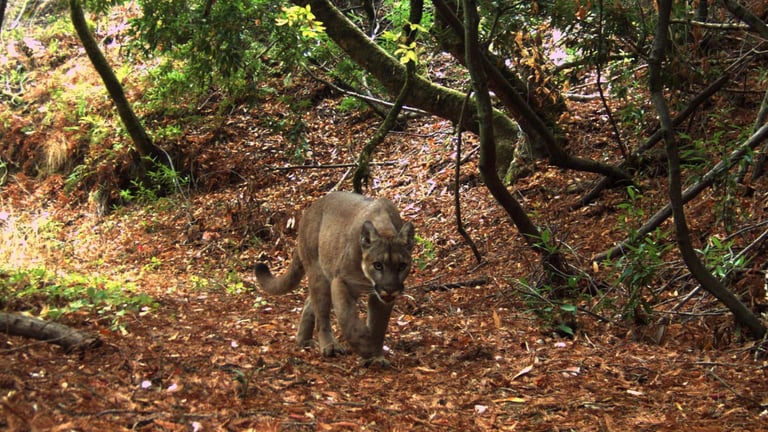

A long-term study identifies two trophic cascades triggered by mountain lions: a classic tri-trophic cascade among mountain lions, deer, and plants, and a second cascade where small predators such as coyotes, bobcats, and foxes shift in response to lion activity.
The final item was incomplete in the source; the corrected narrative consolidates that occasional mountain lion presence reshapes predator dynamics and linked ecological effects.
Researchers describe the observed changes as resulting from intermittent apex predator activity shaping multiple trophic levels.
Vegetation surveys show recovery and growth of woody plants, including young oaks, suggesting reduced deer pressure as mountain lion activity increases.
Trail-camera data indicate mountain lions were more frequently detected from 2015 to 2020, with a corresponding drop in deer activity during high lion presence years.
As mountain lion activity rose, populations of coyotes and bobcats declined while fox activity rose, a shift that likely influences rabbit numbers and overall food web dynamics.
A Stanford Jasper Ridge Biological Preserve study near San Francisco demonstrates that even occasional mountain lion visits can reshape ecosystems, instigating cascades that affect deer, small predators, and vegetation.
Summary based on 1 source
Get a daily email with more Science stories
Source
ScienceDaily • Jun 27, 2026
Mountain lions changed everything in this tiny California preserve