Experts Warn: Overuse of Supplements Risks Liver Damage, Caution Urged with Popular Trends
June 20, 2026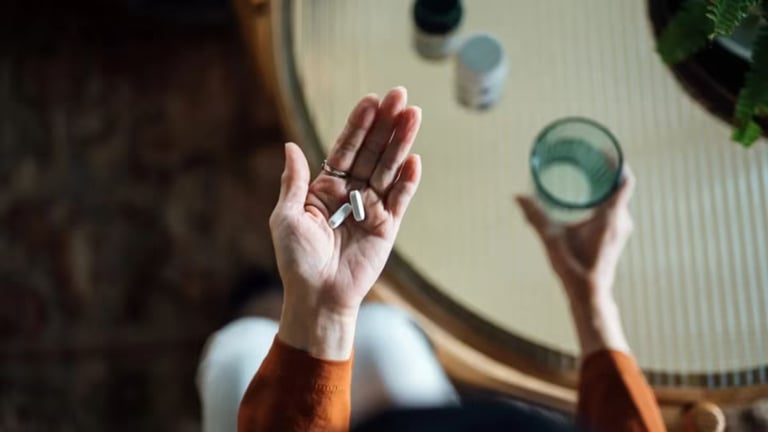

The liver bears the brunt of supplement-related harm because it processes all ingested substances, and high doses or combinations can cause inflammation or bile flow problems, with green tea extract highlighted as a notable risk in concentrated forms.
Medical experts warn that certain supplements can be toxic in high doses, particularly vitamin A, ashwagandha, glutamine, and green tea extract, with liver injury possible from over-supplementation.
The main supplement categories linked to liver damage are anabolic bodybuilding products, green tea extract supplements, and multi-ingredient blends, with multi-ingredient combinations posing particular risk due to unknown interactions.
Skepticism about social-media-driven trends is advised by NHS surgeon Dr. Karan Rajan and UK nutritionist Kristen Stavridis, who emphasize weighing benefits against risks.
A recommended approach centers on a balanced diet, vitamin D in winter, using a multivitamin or targeted supplements only when deficiency is confirmed, and checking RDAs and possible prescription interactions.
Ginger recovered after overuse and now takes only a single multivitamin daily, illustrating a shift toward measured supplementation.
Healthcare professionals warn that people often underestimate risks from combining supplements, duplicating ingredients, or exceeding recommendations, which can interact with prescribed medications.
The study urges caution rather than condemnation: avoid stacking multiple products, disclose all supplements to doctors, and consult healthcare providers before starting new supplements, especially if experiencing liver-related symptoms.
A case underscores personal risk: Ginger Smith suffered a massive kidney stone after prolonged high-dose use of vitamin C, vitamin D, turmeric, and other supplements, leading to costly surgery.
Experts stress that more is not always better; supplements can be beneficial in specific circumstances but should be used judiciously and ideally under medical guidance.
A large NIH- and AASLD-backed study using the DILIN network finds herbal and dietary supplements account for about 20% of U.S. liver injuries, highlighting diagnostic and treatment challenges due to mislabeling, undisclosed use, and lack of specific antidotes.
A rising trend of daily supplement use may cause harm, with doctors reporting liver, kidney, and gastrointestinal issues linked to overuse or mixing multiple supplements.
Summary based on 2 sources
Get a daily email with more Science stories
Sources

Times of India • Jun 21, 2026
Taking supplements every day? New research finds 1 in 5 liver damage cases linked to THIS common health habit
BBC News • Jun 20, 2026
Taking supplements every day? You might be doing more harm than good