HPV Vaccine Slashes Cervical Cancer Rates in UK, Saves Lives and Reduces HPV-Related Conditions
June 17, 2026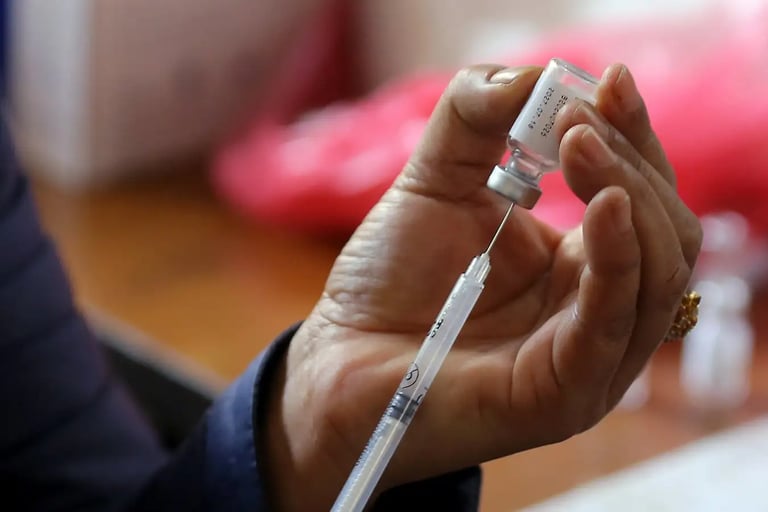

A study of English cancer mortality and HPV vaccination data for women aged 20 to 34 finds that receiving the HPV vaccine in early adolescence is associated with a near-zero risk of dying from cervical cancer before age 30.
The data show zero cervical cancer deaths among women aged 20 to 24 in England from 2020 to 2024, indicating strong early benefits of vaccination.
Public health authorities say they are continuing to boost vaccine uptake through community pharmacies, catch-up campaigns, and self-testing kits to improve early detection and treatment uptake.
While UK data show strong early benefits, there is concern that declines in vaccine uptake after the COVID era and variable global uptake could affect future outcomes.
The vaccination program primarily targets year 8 students, with some catch-up in years 9 and 10, and the vaccine also protects against several other cancers and genital conditions.
Experts urge urgent action to reach communities with lower uptake and to integrate vaccination with cervical screening to push toward near-elimination goals.
Public health implications stress maintaining and improving vaccination uptake, as current rates around 75% nationally (60% in London) risk preventable deaths if they drop further.
Beyond cervical cancer, the vaccine protects against other HPV-related cancers and conditions; however, global uptake remains low and UK teenage vaccination rates declined post-COVID.
The study challenges the idea that vaccination mainly prevents cancers detected by screening, showing real-life mortality reduction beyond early-detected cases.
Data suggest the vaccine’s impact extends to other HPV-related cancers and could imply substantial lives saved, with estimates around 200 so far and up to about 18,000 in the long term.
Researchers from Queen Mary University of London credit high uptake, noting about 90% vaccination of eligible 12–13-year-old girls in England.
Since its introduction in 2008 for girls and later for boys, the HPV vaccine has significantly reduced HPV infections and cervical cancer cases, addressing concerns about screening gaps.
Summary based on 3 sources
Get a daily email with more Science stories
Sources

The Guardian • Jun 17, 2026
HPV jabs cut risk of dying from cervical cancer before 30 to almost zero
New Scientist • Jun 17, 2026
No young women have died of cervical cancer in England for years