Airstrikes on Iranian Oil Facilities Release Volcano-Level Sulfur Dioxide Emissions, Trigger Health Warnings
May 28, 2026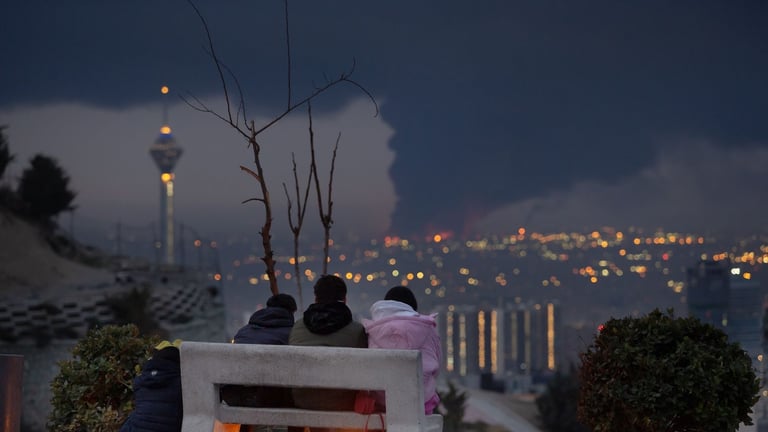


A new study using Chinese and European satellite data estimates that sulfur dioxide from the strikes totaled about 29,800 tons, comparable to several days of Kilauea's emissions, underscoring a severe wartime environmental and public health impact.
The analysis notes the attacks targeted Iranian oil refineries and storage facilities and were linked to Israeli airstrikes, with emissions documented through satellite remote sensing.
Researchers envision building a global, integrated monitoring system that combines multiple satellites and sensors to deliver timely, quantitative data on various trace gases during environmental emergencies.
Early local reports documented health risks from the pollution, including headaches, bitter tastes, eye and skin irritation, and breathing difficulties among residents.
Human Rights Watch released a report on April 14, 2026, addressing the oil depot strikes and their environmental and health impacts.
A joint U.S.-Israeli airstrike on Iranian oil facilities on March 7 released a large plume of toxic sulfur dioxide and soot, triggering WHO warnings for Tehran residents to stay indoors and wear masks.
The findings were published in Advances in Atmospheric Sciences on May 26, highlighting environmental and health implications of the emissions from the strikes.
Remote sensing from Chinese and European satellites tracked the fires from March 7 strikes, estimating about 33,000 tons (29,800 metric tons) of SO2 emitted by March 8.
By March 9, the sulfur dioxide plume had spread about 1,243 miles (2,000 kilometers) downwind, affecting a broad area across the Middle East toward East Asia.
The SO2 cloud reached roughly 1,240 miles (2,000 kilometers) by March 9, extending to East Asia per the study.
Researchers used data from China’s FengYun-3 and ESA’s Sentinel-5P to cross-validate measurements, showcasing satellite remote sensing in monitoring pollutants over large regions during emergencies.
A single day of attacks on four Iranian oil facilities released sulfur dioxide amounts comparable to a volcanic eruption.
Summary based on 2 sources
Get a daily email with more Tech stories
Sources
Gizmodo • May 28, 2026
Airstrikes on Iran’s Oil Facilities Spewed as Much Toxic Sulfur as an Erupting Volcano
Live Science • May 28, 2026
A single day of attacks on Iranian oil refineries released as much sulfur dioxide as a volcanic eruption