Unveiling the Dark Proteome: New Protein Discoveries Could Revolutionize Cancer Treatment and Immunotherapy
May 24, 2026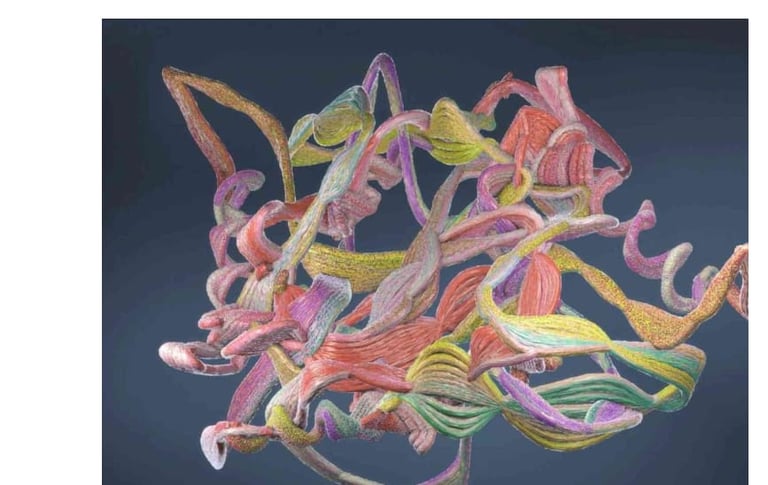

The dark proteome could redefine biology and disease understanding by revealing critical players that influence cell behavior, immune recognition, and treatment responses that standard protein catalogs miss.
An international effort, the TransCODE Consortium, analyzed tens of thousands of protein-detection experiments and uncovered evidence for over 1,700 protein-like molecules, most of them very short, under 50 amino acids.
A key finding centers on the OLMALINC region, where CRISPR knockout reduced survival in about 85% of tested cancer cell lines, signaling an active role in cell division and DNA damage response despite prior assumptions of no protein production.
Researchers are openly sharing the new protein catalog to speed validation and replication across labs, with the goal of turning discoveries into clinical insights for genetic disorders and cancer therapies.
Many of the newly identified peptideins appear on cell surfaces, potentially expanding targets for immunotherapy and cancer vaccines beyond traditional proteins.
The study examined roughly 7,200 unknown DNA segments, finding evidence of molecule production in about a quarter of them, supported by around 20,000 hours of computation and 3.7 billion raw data points.
The dark proteome represents a neglected layer of human biology comprising microproteins and peptideins encoded by regions once deemed noncoding or silent.
Summary based on 1 source