Silent Synapses Found in Adult Brains May Unlock New Paths for Memory Enhancement
May 7, 2026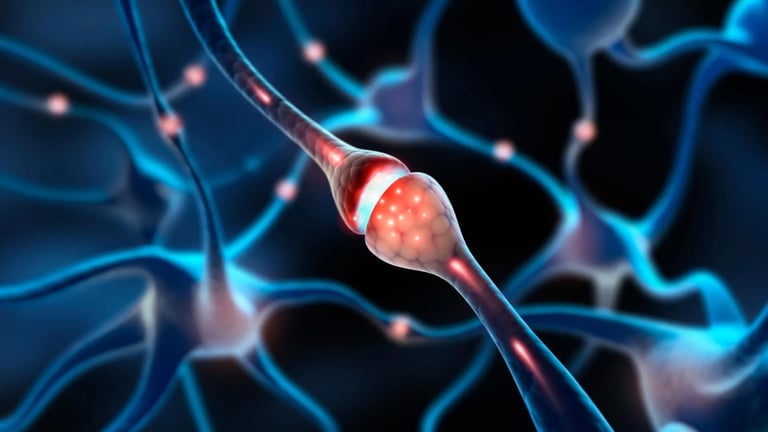

In the adult brain, memory formation relies on both NMDA and AMPA receptors at active synapses, while silent synapses can be recruited to form new memories without overwriting mature connections, balancing plasticity and stability.
The findings were published in Nature and supported by funders including Boehringer Ingelheim Fonds, the NIH, and MIT-affiliated sources.
MIT researchers found that millions of silent synapses exist in the adult mouse brain, challenging the idea that such immature connections are limited to early development.
Using eMAP imaging and patch-clamp methods, the team showed that filopodia-based silent synapses can be unsilenced by co-activating glutamate release with an electrical signal, leading to AMPA receptor buildup and functional connectivity.
The study suggests potential applications for aging and brain health, proposing that manipulating silent synapses could enhance flexible memory in aging or neurological conditions, and researchers are exploring whether similar silent synapses are present in humans.
Filopodia-based silent synapses are easier to activate than modifying established synapses, which have higher thresholds to avoid memory overwriting.
Silent synapses are filopodia-like protrusions containing NMDA receptors but lacking AMPA receptors, rendering them electrically inactive under normal conditions.
The research supports the idea that the brain maintains a reserve of adaptable connections to enable lifelong learning while preserving memory integrity.
About 30 percent of synapses in the adult cortex are silent, harboring NMDA receptors without AMPA receptors until needed for learning.
Summary based on 1 source
Get a daily email with more Science stories
Source
ScienceDaily • May 6, 2026
MIT scientists discover millions of “silent synapses” in the adult brain