Alan Shepard's Pioneering Flight: A Catalyst for U.S. Space Race Triumph and STEM Inspiration
May 4, 2026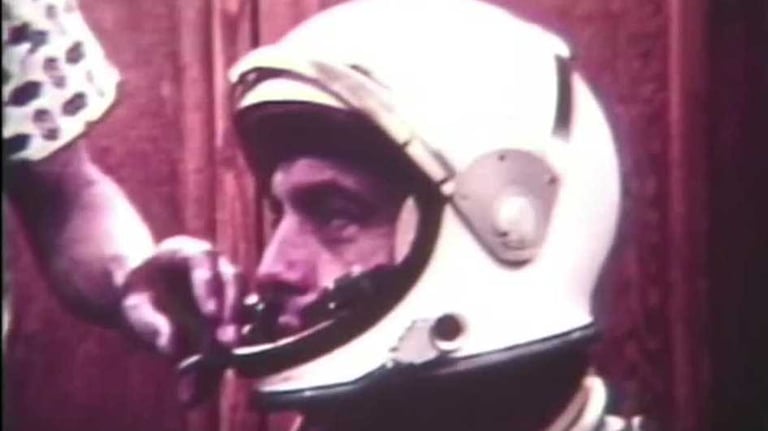


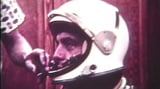
On May 5, 1961, Alan Shepard made the first American spaceflight aboard the Freedom 7 capsule, a landmark suborbital mission that restored U.S. confidence during the Cold War.
The Mercury program followed the Sputnik shock, with NASA selecting the Mercury 7 pilots, including Shepard and John Glenn, in a race to beat the Soviets to space.
Shepard’s flight, part of the early American push to reach space, is portrayed as a pivotal moment for NASA and U.S. competitiveness in the Space Race.
In Derry, Shepard’s enduring legacy is reflected in the town’s identity, complemented by quotes from local heritage officials.
Beyond tech feats, human spaceflight serves as a powerful catalyst for STEM education, inspiring students, engineers, and future astronauts to explore the universe.
A decade later, Shepard walked on the Moon and famously hit two golf balls, a moment that underscored the broader human reach of space exploration.
Sixty-five years on, NASA’s Artemis program aims to establish permanent space infrastructure, with Artemis II poised to push astronauts farther from Earth than any before.
Shepard’s journey helped inaugurate a new era of exploration, proving humans could reach space and paving the way for future technological and scientific advances.
Archivally and contemporarily, images juxtapose America’s early space efforts with Artemis-era ambitions, highlighting continuity in humanity’s quest to explore space.
Shepard’s flight unfolded after weather delays, and he famously handled a moment of discomfort by urinating in his underwear before proceeding with the mission.
The broader path of U.S. spaceflight involves delays, aborted launches, and funding shifts, with commercial space activity expanding into tourism and infrastructure rather than just rescue missions.
The mission demonstrated that American astronauts could endure space travel and operate under extreme conditions, elevating Shepard to national hero status.
Summary based on 4 sources
Get a daily email with more Tech stories
Sources
History • May 4, 2026
The story of how the first American went to space
The Verge • May 5, 2026
From Alan Shepard to Artemis, celebrating 65 years of Americans in space
AMAC Newsline • May 5, 2026
Astronaut Alan Shepard Becomes the First American in Space – This Day in History