UN Report Reveals 81% Decline in Migratory Freshwater Fish, Urges Urgent Global Conservation Efforts
April 8, 2026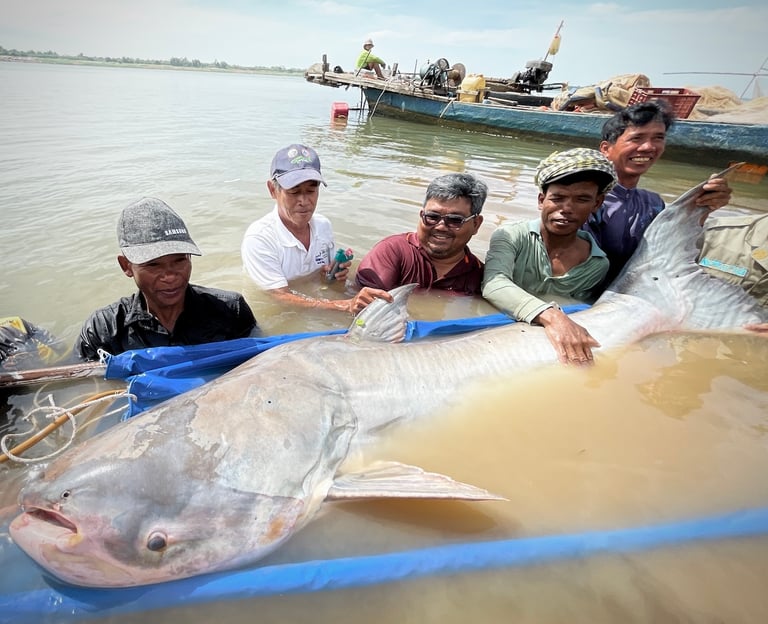

A global assessment from the United Nations CMS finds migratory freshwater fish populations have fallen by about 81% since the 1970s, with 325 species flagged as needing urgent international conservation action.
Conservation efforts are complicated by rivers and basins that cross borders, making international cooperation essential as many basins are shared by multiple nations and rivers ignore political boundaries.
Priority regions for action include the Mekong Basin, Amazon, Europe’s Danube, Africa’s Nile, and South Asia’s Ganges–Brahmaputra, where declines are already harming fisheries and local livelihoods.
The report stresses that migratory freshwater fish are vital for ecosystems, food security, and livelihoods, and protecting them helps preserve broader riverine ecological balance.
Experts urge broader CMS participation, especially in Southeast Asia, to safeguard migratory freshwater species and maintain ecological connectivity in river systems.
Dams, habitat loss, overfishing, and climate-driven flow changes disrupt spawning and nursery habitats, threatening major migrations such as those of the dorado and Mekong giant catfish.
CMS lead author Zeb Hogan and CMS Executive Secretary Amy Fraenkel stress the invisibility of underwater migrations and call for urgent international cooperation and action.
The Mekong Basin alone supports about 15% of the world’s inland catch, yet its annual economic value has declined from roughly $11 billion to $8 billion, underscoring the biodiversity crisis’s economic impact.
Only 24 migratory freshwater fish species are currently listed by CMS, highlighting a substantial protection gap and underrecognition of this crisis.
Summary based on 1 source
Get a daily email with more Science stories
Source

Smithsonian Magazine • Apr 8, 2026
Freshwater Fish Migrations Are Disappearing Across the Planet, Finds UN Report