Rathlin Island Achieves World-First by Eradicating Ferrets, Boosting Seabird Recovery
March 23, 2026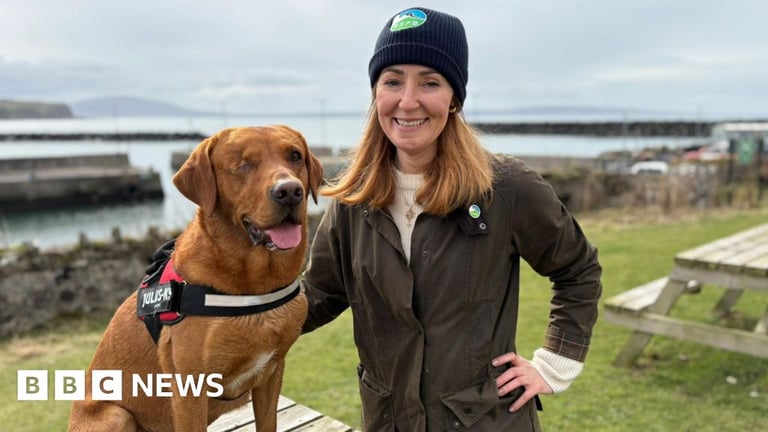

Rathlin Island off County Antrim has achieved a world-first by eradicating ferrets, a non-native predator, through the five-year Life Raft project that targeted both ferrets and rats with a £4.5 million investment.
Since October 2023, no ferrets have been observed, and early 2024 breeding season signals suggest seabird numbers may recover, offering a hopeful model for similar predator-control efforts elsewhere.
Residents report broad community benefits from ferret removal, including new opportunities to raise chickens and healthier hare populations, underscoring ecological and social gains.
The eradication relied on more than 400 traps and a specially trained detection dog named Woody, whose work confirmed ferret absence and now helps biosecurity by detecting rats and other potential arrivals.
Life Raft also conducted extensive rodent control, deploying nearly 7,000 handmade rat bait traps island-wide in 2024 to safeguard nesting seabirds and eggs.
RSPB NI notes a 62% decline in breeding seabirds across the UK and Ireland in the past two decades, highlighting the importance of predator-free spaces for seabird recovery.
International interest in Rathlin’s success was highlighted at the Island Invasives conference in New Zealand, where experts discussed applying lessons to other islands and emphasizing community collaboration and trap strategies.
Historical context shows rats likely arrived on Rathlin via boats in the 19th century, while ferrets were introduced in the 1980s to control pests but ended up preying on ground-nesting seabirds and their eggs.
Launched in 2021, the Life Raft project aims to rid Rathlin of both ferrets and rats and includes ongoing monitoring with 110 cameras to ensure the island remains ferret-free and protected against reintroduction.
Summary based on 1 source
Get a daily email with more Science stories
Source
BBC News • Mar 23, 2026
World-first as Rathlin Island is declared ferret free