Ancient Ice Cave Bacteria Hold Clues to Antibiotic Resistance and Potential Biotech Breakthroughs
February 17, 2026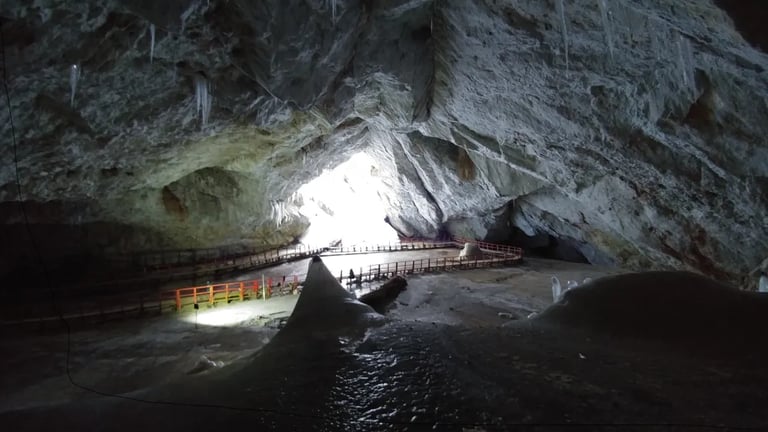


Researchers sequenced genomes from bacterial strains in an 82-foot ice core from a cave’s Great Hall, revealing ancient microbes with traits for surviving extreme cold and carrying antimicrobial resistance genes that could inform modern medicine and public health risk assessments.
Lab tests show the Psychrobacter strain SC65A.3 is resistant to ten common antibiotics and harbors more than 100 resistance-related genes, despite no prior exposure to these drugs.
SC65A.3 is the first Psychrobacter strain documented to resist antibiotics such as trimethoprim, clindamycin, and metronidazole, suggesting cold-environment bacteria may act as reservoirs for resistance genes.
Experts caution that strict lab safety and handling protocols are essential to prevent uncontrolled release while recognizing the potential for groundbreaking microbiology and biotechnology advances.
The ice-core study represents roughly 13,000 years of microbial history, obtained from an 82-foot drilling that tracks ancient genomes over time.
The findings highlight that natural environments contribute to the evolution and spread of antibiotic resistance and may harbor sources for discovering new antibiotics from ancient microbes.
The discovery supports the view that antibiotic resistance evolved through long-term ecological and evolutionary pressures, not solely due to human antibiotic use.
In addition to resistance, the strain inhibits certain antibiotic-resistant 'superbugs' and demonstrates potential for biotechnological applications.
Genomic analysis reveals numerous resistance genes and 11 genes with potential to kill or inhibit other microbes, plus nearly 600 genes of unknown function, hinting at novel biology and compounds.
Summary based on 2 sources
Get a daily email with more Tech stories
Sources
Gizmodo • Feb 17, 2026
Bacteria Frozen Inside 5,000-Year-Old Ice Cave Is Crazy Resistant to Antibiotics
Popular Science • Feb 17, 2026
5,000-year-old bacteria thawed in Romanian ice cave